
Contents
- 🌟 Introduction to the Immune System
- 🧬 Innate Immunity: The First Line of Defense
- 🔍 Adaptive Immunity: A Tailored Response
- 👥 Cells and Molecules: The Immune System's Workforce
- 🌈 Recognition and Response: The Immune System's Process
- 💡 Immunological Memory: Learning from Past Encounters
- 🤝 Cooperation between Innate and Adaptive Immunity
- 🚫 Immune System Disorders: When the Defense Network Fails
- 🔬 Immunotherapy: Harnessing the Power of the Immune System
- 📊 The Economics of Immune System Research
- 🌎 Global Health and the Immune System
- Frequently Asked Questions
- Related Topics
Overview
The immune system is a highly sophisticated defense mechanism that protects the human body against pathogens, including bacteria, viruses, and other foreign invaders. Comprising various cell types, tissues, and organs, it works in tandem to identify, neutralize, and eliminate threats. The immune response is triggered by the recognition of specific antigens, leading to the activation of immune cells such as T cells and B cells, which then orchestrate an immune response. This intricate process involves the coordination of both innate and adaptive immunity, with the innate system providing immediate defense and the adaptive system offering long-term protection. Research into the immune system has led to significant advancements in vaccine development, immunotherapy, and our understanding of autoimmune diseases. With a Vibe score of 85, indicating high cultural energy, the study of the immune system continues to captivate scientists and the general public alike, with ongoing debates surrounding the role of the immune system in chronic diseases and the potential for immune system modulation as a therapeutic strategy.
🌟 Introduction to the Immune System
The immune system is a complex defense network that protects an organism from diseases, as explained in Immunology. It detects and responds to a wide variety of pathogens, such as Viruses, Bacteria, and Parasites, as well as cancer cells and foreign objects. The immune system is composed of two major subsystems: the Innate Immune System and the Adaptive Immune System. The innate immune system provides a preconfigured response to broad groups of situations and stimuli, while the adaptive immune system provides a tailored response to each stimulus by learning to recognize molecules it has previously encountered, as discussed in Immunological Memory.
🧬 Innate Immunity: The First Line of Defense
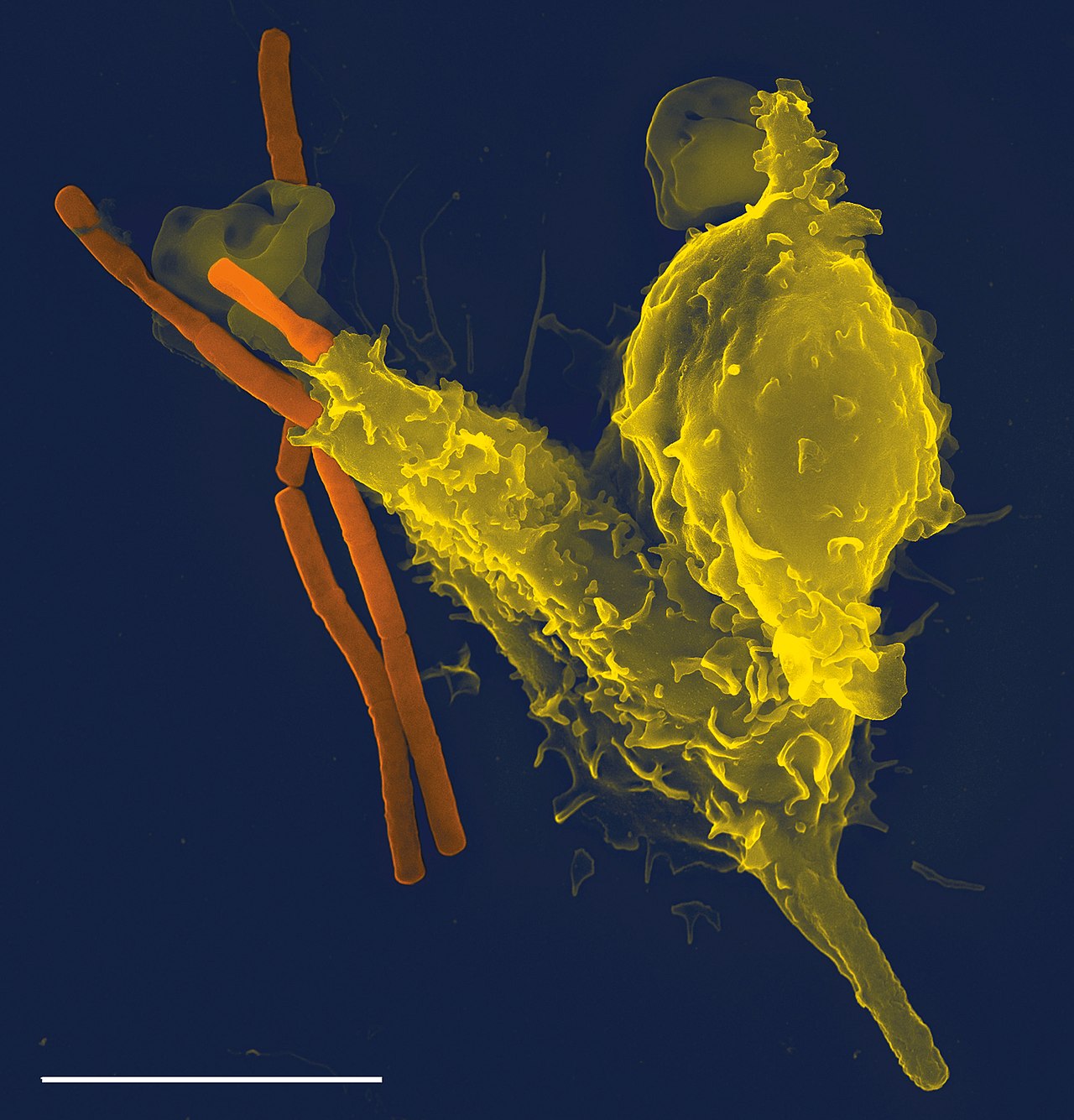
The innate immune system is the first line of defense against infection, as described in Innate Immunity. It provides a rapid response to pathogens and is essential for preventing the spread of infection. The innate immune system includes physical barriers, such as the skin and mucous membranes, as well as cells and proteins that can recognize and respond to pathogens. For example, Neutrophils and Macrophages are types of white blood cells that play a crucial role in the innate immune response, as explained in White Blood Cells.
🔍 Adaptive Immunity: A Tailored Response
The adaptive immune system provides a tailored response to each stimulus by learning to recognize molecules it has previously encountered, as discussed in Adaptive Immunity. This subsystem is responsible for the specific recognition and elimination of pathogens, and it is essential for long-term immunity. The adaptive immune system includes Lymphocytes, such as B cells and T cells, which play a crucial role in the adaptive immune response. For example, Vaccination is a method of stimulating the adaptive immune system to provide long-term immunity against specific pathogens, as explained in Vaccine Development.
👥 Cells and Molecules: The Immune System's Workforce
The immune system uses a variety of cells and molecules to perform its functions, as described in Immunology. These include Cytokines, which are signaling molecules that help to coordinate the immune response, and Antibodies, which are proteins that recognize and bind to specific pathogens. For example, Monoclonal Antibodies are a type of antibody that is used to treat a variety of diseases, including cancer and autoimmune disorders, as explained in Monoclonal Antibody Therapy.
🌈 Recognition and Response: The Immune System's Process
The immune system's process of recognition and response is complex and involves multiple steps, as discussed in Immune Response. It begins with the recognition of pathogens by Pattern Recognition Receptors (PRRs), which are molecules that recognize specific patterns associated with pathogens. This recognition triggers a signaling cascade that activates the immune response, as explained in Signal Transduction. For example, the recognition of Lipopolysaccharides by Toll-like Receptors (TLRs) is an important step in the recognition of bacterial pathogens, as described in Toll-like Receptor Signaling.
💡 Immunological Memory: Learning from Past Encounters
Immunological memory is the ability of the immune system to remember specific pathogens and mount a rapid and effective response upon re-exposure, as explained in Immunological Memory. This is mediated by Memory Cells, such as Memory B cells and Memory T cells, which are specialized cells that can recognize and respond to specific pathogens. For example, Herd Immunity is a concept that relies on the idea that a sufficient percentage of a population has immunological memory to a specific pathogen, as discussed in Herd Immunity.
🤝 Cooperation between Innate and Adaptive Immunity
The innate and adaptive immune systems cooperate to provide a comprehensive defense against infection, as described in Immune System. The innate immune system provides a rapid response to pathogens, while the adaptive immune system provides a tailored response that is essential for long-term immunity. For example, the recognition of pathogens by Dendritic Cells is an important step in the activation of the adaptive immune response, as explained in Dendritic Cell Activation.
🚫 Immune System Disorders: When the Defense Network Fails
Immune system disorders occur when the defense network fails to function properly, as discussed in Immune System Disorders. These disorders can be caused by a variety of factors, including genetic mutations, environmental factors, and infections. For example, Autoimmune Disorders, such as Rheumatoid Arthritis and Lupus, occur when the immune system mistakenly attacks healthy tissues, as explained in Autoimmune Disease.
🔬 Immunotherapy: Harnessing the Power of the Immune System
Immunotherapy is a type of treatment that harnesses the power of the immune system to fight disease, as described in Immunotherapy. This can include Cancer Immunotherapy, which uses the immune system to recognize and eliminate cancer cells. For example, Checkpoint Inhibitors are a type of immunotherapy that targets specific molecules that inhibit the immune response, as explained in Checkpoint Inhibitor Therapy.
📊 The Economics of Immune System Research
The economics of immune system research is a complex and multifaceted field, as discussed in Immune System Research. It involves the development of new treatments and therapies, as well as the study of the immune system's role in various diseases. For example, the development of Vaccines is a major area of research, as explained in Vaccine Research.
🌎 Global Health and the Immune System
Global health and the immune system are closely linked, as described in Global Health. The immune system plays a critical role in protecting against infectious diseases, which are a major cause of morbidity and mortality worldwide. For example, the World Health Organization (WHO) plays a key role in promoting global health and preventing the spread of infectious diseases, as explained in World Health Organization.
Key Facts
- Year
- 2022
- Origin
- Ancient understanding of immunity, with modern immunology emerging in the late 19th century
- Category
- Biology and Health
- Type
- Biological System
Frequently Asked Questions
What is the immune system?
The immune system is a complex defense network that protects an organism from diseases. It detects and responds to a wide variety of pathogens, such as viruses, bacteria, and parasites, as well as cancer cells and foreign objects. The immune system is composed of two major subsystems: the innate immune system and the adaptive immune system.
What is the difference between the innate and adaptive immune systems?
The innate immune system provides a preconfigured response to broad groups of situations and stimuli, while the adaptive immune system provides a tailored response to each stimulus by learning to recognize molecules it has previously encountered.
What is immunological memory?
Immunological memory is the ability of the immune system to remember specific pathogens and mount a rapid and effective response upon re-exposure. This is mediated by memory cells, such as memory B cells and memory T cells.
What are immune system disorders?
Immune system disorders occur when the defense network fails to function properly. These disorders can be caused by a variety of factors, including genetic mutations, environmental factors, and infections.
What is immunotherapy?
Immunotherapy is a type of treatment that harnesses the power of the immune system to fight disease. This can include cancer immunotherapy, which uses the immune system to recognize and eliminate cancer cells.
Why is the immune system important for global health?
The immune system plays a critical role in protecting against infectious diseases, which are a major cause of morbidity and mortality worldwide. The World Health Organization (WHO) plays a key role in promoting global health and preventing the spread of infectious diseases.
How does the immune system recognize and respond to pathogens?
The immune system's process of recognition and response is complex and involves multiple steps. It begins with the recognition of pathogens by pattern recognition receptors (PRRs), which are molecules that recognize specific patterns associated with pathogens.