
Contents
Overview
The drum is a member of the percussion group of musical instruments, classified as a membranophone in the Hornbostel–Sachs system. Drums have been a cornerstone of music-making for thousands of years, with a design that has remained largely unchanged. The basic components of a drum include a drumhead or drum skin stretched over a shell, which is struck to produce sound. This fundamental design has been used in various forms across the globe, from ancient civilizations to modern music genres. The versatility of drums has led to their widespread adoption, making them a staple in many different cultures.
🔍 History of Drums
The history of drums dates back to ancient times, with evidence of drumming found in Ancient Mesopotamia and Ancient Egypt. Drums were used in various contexts, including warfare, rituals, and ceremonies. The development of drums has been influenced by numerous cultures and civilizations, resulting in a diverse range of drumming styles and techniques. From the talking drum of West Africa to the tabla of India, drums have played a significant role in shaping the musical landscape of various regions. The evolution of drums has also been impacted by advances in materials science and technology.
🎶 Types of Drums
There are several types of drums, each with its unique characteristics and playing techniques. The snare drum, bass drum, and tom-tom are common components of a drum kit. Other types of drums include the conga, bongo, and djembe. Each type of drum has its own distinct sound and is often used in specific music genres or cultural contexts. The choice of drum depends on the desired sound, as well as the player's personal preference and playing style.
👂 Playing Techniques
Drumming techniques vary depending on the type of drum and the desired sound. The most common techniques include striking the drumhead with the hands or a percussion mallet. Other techniques, such as the thumb roll, are used to create specific sounds or effects. The development of drumming techniques has been influenced by various cultures and musical styles. From the intricate polyrhythms of African music to the powerful backbeat of rock music, drumming techniques have played a crucial role in shaping the sound of different music genres.
🎧 Drumheads and Materials
Drumheads are a critical component of a drum, and their material and construction can significantly impact the sound produced. Traditional drumheads are made from animal hide, while modern drumheads are often made from synthetic materials. The choice of drumhead material depends on the desired sound, as well as the player's personal preference and playing style. The tension of the drumhead also affects the sound, with tighter drumheads producing a higher pitch and looser drumheads producing a lower pitch. The development of new materials and technologies has expanded the range of options available for drumheads, allowing players to experiment with different sounds and techniques.
🔨 Drum Construction
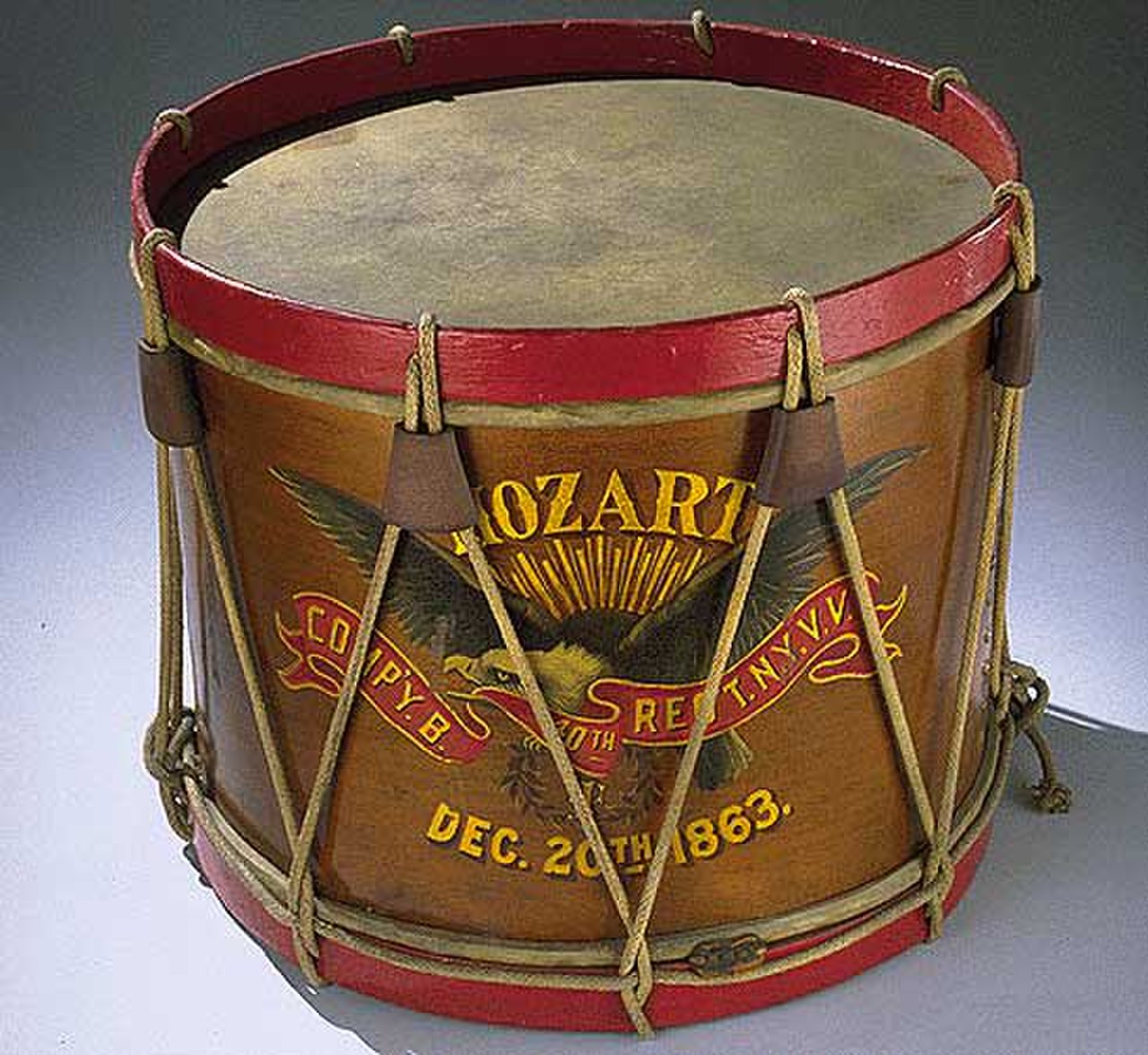
The construction of a drum involves several key components, including the shell, drumhead, and hardware. The shell is typically made from wood, metal, or plastic, and its shape and size can affect the sound produced. The drumhead is stretched over the shell and secured with tension rods or lugs. The hardware, including the pedals and drum throne, provides the necessary support and stability for the drum. The quality of the construction can significantly impact the sound and playability of the drum, making it essential to choose a well-made instrument.
🌎 Cultural Significance
Drums have significant cultural and historical importance, with a presence in almost every culture around the world. From the ceremonial drums of Africa to the taiko drums of Japan, drums have played a vital role in shaping the musical and cultural heritage of various regions. The use of drums in traditional music and folk music has helped to preserve cultural traditions and pass them down to future generations. The cultural significance of drums is also reflected in their use in various rituals and ceremonies, such as weddings and funerals.
🤝 Influence on Music Genres
Drums have had a profound influence on the development of various music genres, from rock music to jazz and hip-hop. The use of drums in these genres has helped to create new sounds and styles, pushing the boundaries of what is possible with music. The influence of drums can be seen in the work of many famous musicians, including John Bonham and Buddy Rich. The development of new drumming techniques and technologies has also expanded the possibilities for drummers, allowing them to experiment with new sounds and styles.
📊 Drumming Statistics
Drumming is a popular activity, with millions of people around the world playing drums as a hobby or professionally. According to a survey by the Music Trades magazine, there are over 10 million drummers in the United States alone. The popularity of drumming has led to the development of a large and diverse community of drummers, with many online forums and social media groups dedicated to the subject. The economic impact of the drumming industry is also significant, with sales of drums and drumming equipment generating billions of dollars in revenue each year.
👥 Notable Drummers
There are many notable drummers who have made significant contributions to the world of music. Ringo Starr, Charlie Watts, and Neil Peart are just a few examples of famous drummers who have helped to shape the sound of popular music. These drummers, along with many others, have inspired countless young musicians to take up the drums and pursue a career in music. The legacy of these drummers continues to be felt, with their music and playing styles remaining popular to this day.
🔜 Future of Drumming
The future of drumming is exciting and uncertain, with new technologies and innovations emerging all the time. The development of electronic drums and hybrid drums has expanded the possibilities for drummers, allowing them to create new sounds and styles. The use of artificial intelligence and machine learning in drumming is also becoming more prevalent, with many companies developing AI-powered drumming tools and software. As the world of drumming continues to evolve, it will be interesting to see what new developments and innovations emerge in the years to come.
Key Facts
- Category
- topic
- Type
- topic
Frequently Asked Questions
What is the history of drums?
The history of drums dates back to ancient times, with evidence of drumming found in Ancient Mesopotamia and Ancient Egypt. Drums were used in various contexts, including warfare, rituals, and ceremonies. The development of drums has been influenced by numerous cultures and civilizations, resulting in a diverse range of drumming styles and techniques.
What are the different types of drums?
There are several types of drums, each with its unique characteristics and playing techniques. The snare drum, bass drum, and tom-tom are common components of a drum kit. Other types of drums include the conga, bongo, and djembe. Each type of drum has its own distinct sound and is often used in specific music genres or cultural contexts.
What are some common drumming techniques?
Drumming techniques vary depending on the type of drum and the desired sound. The most common techniques include striking the drumhead with the hands or a percussion mallet. Other techniques, such as the thumb roll, are used to create specific sounds or effects. The development of drumming techniques has been influenced by various cultures and musical styles.
What is the cultural significance of drums?
Drums have significant cultural and historical importance, with a presence in almost every culture around the world. From the ceremonial drums of Africa to the taiko drums of Japan, drums have played a vital role in shaping the musical and cultural heritage of various regions. The use of drums in traditional music and folk music has helped to preserve cultural traditions and pass them down to future generations.
What is the future of drumming?
The future of drumming is exciting and uncertain, with new technologies and innovations emerging all the time. The development of electronic drums and hybrid drums has expanded the possibilities for drummers, allowing them to create new sounds and styles. The use of artificial intelligence and machine learning in drumming is also becoming more prevalent, with many companies developing AI-powered drumming tools and software.
Who are some notable drummers?
There are many notable drummers who have made significant contributions to the world of music. Ringo Starr, Charlie Watts, and Neil Peart are just a few examples of famous drummers who have helped to shape the sound of popular music. These drummers, along with many others, have inspired countless young musicians to take up the drums and pursue a career in music.
What is the economic impact of the drumming industry?
The economic impact of the drumming industry is significant, with sales of drums and drumming equipment generating billions of dollars in revenue each year. The popularity of drumming has led to the development of a large and diverse community of drummers, with many online forums and social media groups dedicated to the subject.