
Contents
- 🤖 Introduction to Machine Learning
- 📊 Statistical Algorithms and Data
- 🔍 Deep Learning and Neural Networks
- 📈 Advances in Machine Learning
- 🤔 The Pulse of AI: Machine Learning Applications
- 📊 Challenges and Limitations of Machine Learning
- 🌐 Real-World Examples of Machine Learning
- 👥 Key Players in Machine Learning Research
- 📚 Future of Machine Learning and AI
- 💻 Machine Learning and Deep Learning Tools
- 📝 Ethics and Responsibility in Machine Learning
- 📊 Controversies and Debates in Machine Learning
- Frequently Asked Questions
- Related Topics
Overview
Machine learning, a subset of artificial intelligence, has been a cornerstone of technological advancement since its inception in the 1950s by pioneers like Alan Turing and Marvin Minsky. With a vibe score of 8, reflecting its significant cultural energy, machine learning has evolved through various phases, including the rule-based expert systems of the 1980s and the deep learning resurgence of the 2010s, led by figures like Yann LeCun and Yoshua Bengio. Today, it's at the heart of applications ranging from facial recognition and natural language processing to predictive analytics and autonomous vehicles, with companies like Google, Facebook, and Tesla at the forefront. However, it also faces skepticism and controversy, particularly regarding bias in algorithms, privacy concerns, and job displacement, sparking debates among experts like Andrew Ng and Fei-Fei Li. As machine learning continues to advance, with the global market projected to reach $30.6 billion by 2024, it's crucial to address these challenges and ensure that its development is both ethical and beneficial. The future of machine learning is intertwined with the future of humanity, and understanding its complexities is essential for navigating the opportunities and risks it presents.
🤖 Introduction to Machine Learning
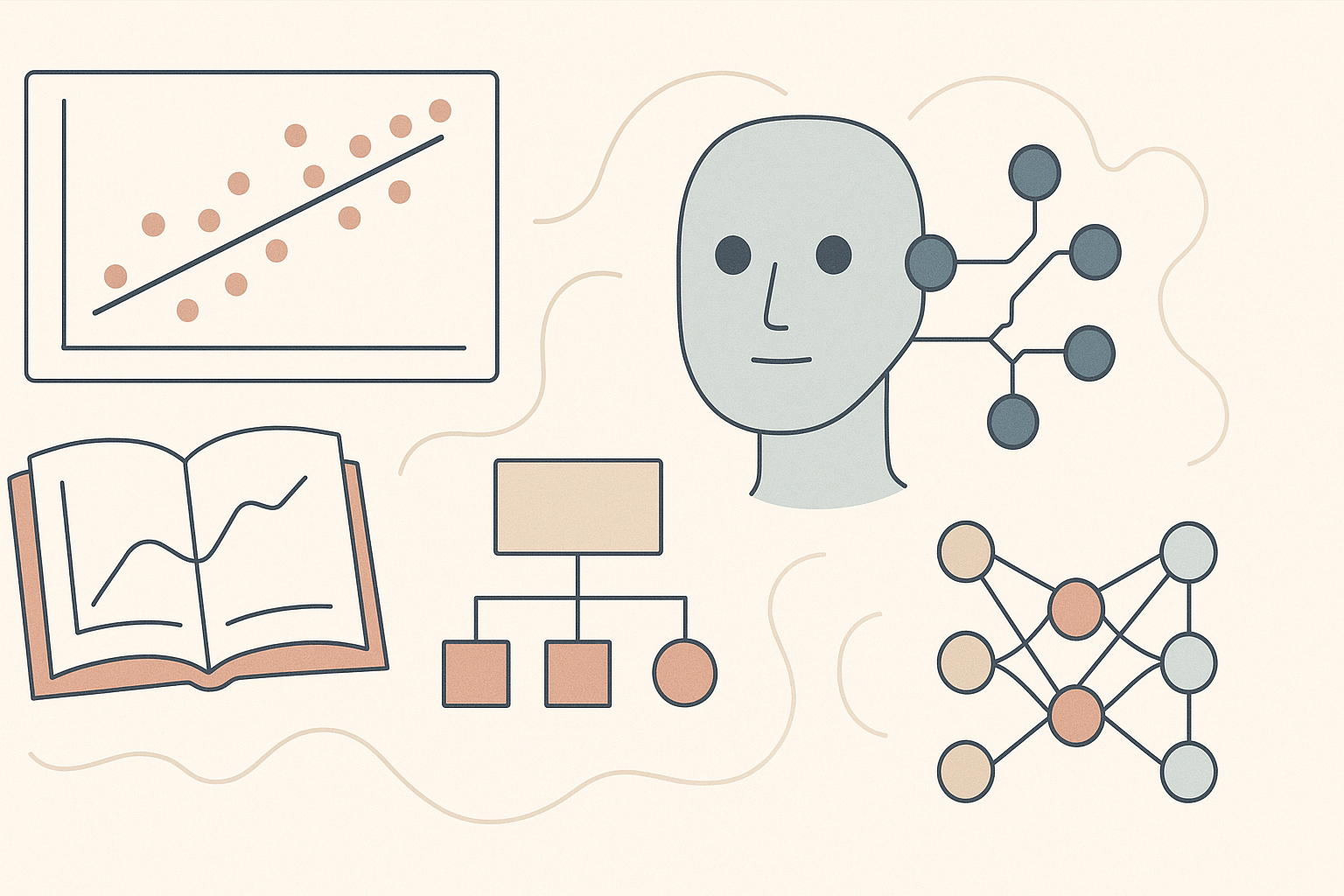
Machine learning, a subfield of Artificial Intelligence, has revolutionized the way we approach complex problems. By developing statistical algorithms that can learn from data, machine learning enables computers to perform tasks without explicit programming language instructions. This has led to significant advances in areas like Natural Language Processing and Computer Vision. As a result, machine learning has become a crucial component of many modern technologies, including Virtual Assistants and Self-Driving Cars. With its potential to automate tasks and improve decision-making, machine learning is poised to have a profound impact on various industries. The History of Artificial Intelligence has been marked by significant milestones, and machine learning is one of the most notable developments in recent years.
📊 Statistical Algorithms and Data
At the heart of machine learning lies the concept of statistical algorithms that can learn from data. These algorithms, which include Decision Trees and Random Forests, enable computers to identify patterns and relationships within data. By analyzing large datasets, machine learning models can develop predictive capabilities, allowing them to make accurate predictions and classifications. The development of these algorithms has been driven by advances in Data Science and Big Data, which have made it possible to collect and process vast amounts of data. As a result, machine learning has become an essential tool for businesses and organizations seeking to gain insights from their data. The use of Machine Learning Algorithms has become increasingly prevalent in industries like Finance and Healthcare.
🔍 Deep Learning and Neural Networks
One of the most significant advances in machine learning has been the development of deep learning techniques. Deep learning, which involves the use of Neural Networks with multiple layers, has allowed machine learning models to surpass many previous approaches in performance. By leveraging the power of neural networks, deep learning models can learn complex patterns and relationships within data, enabling them to achieve state-of-the-art performance in areas like Image Recognition and Natural Language Processing. The development of deep learning has been driven by advances in Computer Hardware and Software, which have made it possible to train large neural networks. As a result, deep learning has become a crucial component of many modern technologies, including Virtual Reality and Autonomous Vehicles. The use of Deep Learning Techniques has become increasingly prevalent in industries like Gaming and Entertainment.
📈 Advances in Machine Learning
The advances in machine learning have been rapid and significant, with new techniques and applications emerging continuously. One of the key drivers of these advances has been the development of new machine learning algorithms, such as Gradient Boosting and Support Vector Machines. These algorithms have enabled machine learning models to achieve higher levels of accuracy and efficiency, making them more suitable for real-world applications. Additionally, the increasing availability of large datasets and computational resources has made it possible to train and deploy machine learning models at scale. As a result, machine learning has become a key component of many modern technologies, including Recommendation Systems and Predictive Maintenance. The use of Machine Learning Models has become increasingly prevalent in industries like Manufacturing and Logistics.
🤔 The Pulse of AI: Machine Learning Applications
Machine learning has a wide range of applications, from Image Recognition and Natural Language Processing to Predictive Maintenance and Recommendation Systems. By enabling computers to learn from data, machine learning has made it possible to automate many tasks, freeing up humans to focus on higher-level decision-making. Additionally, machine learning has enabled the development of new technologies, such as Virtual Assistants and Self-Driving Cars, which have the potential to transform industries and revolutionize the way we live and work. As machine learning continues to evolve, we can expect to see even more innovative applications emerge. The use of Machine Learning Applications has become increasingly prevalent in industries like Finance and Healthcare.
📊 Challenges and Limitations of Machine Learning
Despite the many advances in machine learning, there are still several challenges and limitations that need to be addressed. One of the key challenges is the need for high-quality training data, which can be difficult and expensive to obtain. Additionally, machine learning models can be prone to bias and errors, which can have significant consequences in real-world applications. Furthermore, the increasing use of machine learning has raised concerns about Job Displacement and Ethics, as well as the potential for machine learning to be used for malicious purposes. As a result, it is essential to develop and deploy machine learning models in a responsible and transparent manner. The use of Machine Learning Models has become increasingly prevalent in industries like Gaming and Entertainment.
🌐 Real-World Examples of Machine Learning
Machine learning has many real-world examples, from Virtual Assistants like Siri and Alexa to Self-Driving Cars like Waymo and Tesla. Additionally, machine learning is used in Recommendation Systems like Netflix and Amazon, as well as in Predictive Maintenance systems used in industries like Manufacturing and Logistics. Furthermore, machine learning has been used in Medical Diagnosis and Medical Research, enabling doctors and researchers to gain insights from large datasets and make more accurate predictions. As machine learning continues to evolve, we can expect to see even more innovative applications emerge. The use of Machine Learning Applications has become increasingly prevalent in industries like Finance and Healthcare.
👥 Key Players in Machine Learning Research
The development of machine learning has been driven by the contributions of many key players, including researchers, scientists, and engineers. Some of the most notable figures in machine learning include Geoffrey Hinton, Yann LeCun, and Andrew Ng, who have made significant contributions to the development of deep learning and neural networks. Additionally, companies like Google, Facebook, and Microsoft have invested heavily in machine learning research and development, driving innovation and progress in the field. As a result, machine learning has become a key component of many modern technologies, including Virtual Reality and Autonomous Vehicles. The use of Machine Learning Techniques has become increasingly prevalent in industries like Gaming and Entertainment.
📚 Future of Machine Learning and AI
The future of machine learning is exciting and uncertain, with many potential applications and innovations on the horizon. As machine learning continues to evolve, we can expect to see even more innovative applications emerge, from Virtual Reality and Autonomous Vehicles to Medical Diagnosis and Medical Research. Additionally, the increasing use of machine learning has raised concerns about Job Displacement and Ethics, as well as the potential for machine learning to be used for malicious purposes. As a result, it is essential to develop and deploy machine learning models in a responsible and transparent manner. The use of Machine Learning Models has become increasingly prevalent in industries like Finance and Healthcare.
💻 Machine Learning and Deep Learning Tools
There are many tools and technologies available for machine learning and deep learning, from Python and TensorFlow to Keras and PyTorch. These tools enable developers and researchers to build and deploy machine learning models, from simple Linear Regression models to complex Neural Networks. Additionally, many companies offer machine learning and deep learning services, including Google Cloud and Amazon Web Services, which provide access to large datasets and computational resources. As a result, machine learning has become more accessible and widely available, enabling developers and researchers to build and deploy innovative applications. The use of Machine Learning Techniques has become increasingly prevalent in industries like Gaming and Entertainment.
📝 Ethics and Responsibility in Machine Learning
The development and deployment of machine learning models raise important ethical and responsibility considerations. As machine learning becomes more pervasive, there is a growing need to ensure that machine learning models are fair, transparent, and accountable. This requires developers and researchers to prioritize Ethics and Responsibility in machine learning, from Data Collection and Data Preprocessing to Model Deployment and Model Monitoring. Additionally, there is a need to develop and implement regulations and guidelines for machine learning, to ensure that machine learning is used in a responsible and beneficial manner. The use of Machine Learning Models has become increasingly prevalent in industries like Finance and Healthcare.
📊 Controversies and Debates in Machine Learning
Machine learning is a highly debated and contested field, with many different perspectives and opinions on its potential and limitations. Some of the key debates in machine learning include the Bias in AI debate, which raises concerns about the potential for machine learning models to perpetuate and amplify existing biases and inequalities. Additionally, there is a debate about the potential for machine learning to Job Displacement, which raises concerns about the impact of automation on employment and the economy. As a result, it is essential to approach machine learning in a nuanced and critical manner, recognizing both its potential benefits and limitations. The use of Machine Learning Techniques has become increasingly prevalent in industries like Gaming and Entertainment.
Key Facts
- Year
- 1950
- Origin
- Dartmouth Summer Research Project on Artificial Intelligence
- Category
- Artificial Intelligence
- Type
- Technology
Frequently Asked Questions
What is machine learning?
Machine learning is a field of study in artificial intelligence concerned with the development and study of statistical algorithms that can learn from data and generalize to unseen data, and thus perform tasks without explicit programming language instructions. Machine learning has many real-world applications, from Virtual Assistants like Siri and Alexa to Self-Driving Cars like Waymo and Tesla. The use of Machine Learning Models has become increasingly prevalent in industries like Finance and Healthcare.
What is deep learning?
Deep learning is a subfield of machine learning that involves the use of neural networks with multiple layers to learn complex patterns and relationships within data. Deep learning has allowed machine learning models to surpass many previous approaches in performance, and has been used in areas like Image Recognition and Natural Language Processing. The development of deep learning has been driven by advances in Computer Hardware and Software, which have made it possible to train large neural networks. The use of Deep Learning Techniques has become increasingly prevalent in industries like Gaming and Entertainment.
What are some of the challenges and limitations of machine learning?
Some of the key challenges and limitations of machine learning include the need for high-quality training data, the potential for bias and errors, and the need for transparency and accountability. Additionally, machine learning raises concerns about Job Displacement and Ethics, as well as the potential for machine learning to be used for malicious purposes. As a result, it is essential to develop and deploy machine learning models in a responsible and transparent manner. The use of Machine Learning Models has become increasingly prevalent in industries like Finance and Healthcare.
What is the future of machine learning?
The future of machine learning is exciting and uncertain, with many potential applications and innovations on the horizon. As machine learning continues to evolve, we can expect to see even more innovative applications emerge, from Virtual Reality and Autonomous Vehicles to Medical Diagnosis and Medical Research. Additionally, the increasing use of machine learning has raised concerns about Job Displacement and Ethics, as well as the potential for machine learning to be used for malicious purposes. As a result, it is essential to develop and deploy machine learning models in a responsible and transparent manner. The use of Machine Learning Models has become increasingly prevalent in industries like Finance and Healthcare.
What are some of the key tools and technologies used in machine learning?
Some of the key tools and technologies used in machine learning include Python and TensorFlow, as well as Keras and PyTorch. These tools enable developers and researchers to build and deploy machine learning models, from simple Linear Regression models to complex Neural Networks. Additionally, many companies offer machine learning and deep learning services, including Google Cloud and Amazon Web Services, which provide access to large datasets and computational resources. The use of Machine Learning Techniques has become increasingly prevalent in industries like Gaming and Entertainment.
What are some of the ethical and responsibility considerations in machine learning?
The development and deployment of machine learning models raise important ethical and responsibility considerations. As machine learning becomes more pervasive, there is a growing need to ensure that machine learning models are fair, transparent, and accountable. This requires developers and researchers to prioritize Ethics and Responsibility in machine learning, from Data Collection and Data Preprocessing to Model Deployment and Model Monitoring. Additionally, there is a need to develop and implement regulations and guidelines for machine learning, to ensure that machine learning is used in a responsible and beneficial manner. The use of Machine Learning Models has become increasingly prevalent in industries like Finance and Healthcare.
What are some of the debates and controversies in machine learning?
Machine learning is a highly debated and contested field, with many different perspectives and opinions on its potential and limitations. Some of the key debates in machine learning include the Bias in AI debate, which raises concerns about the potential for machine learning models to perpetuate and amplify existing biases and inequalities. Additionally, there is a debate about the potential for machine learning to Job Displacement, which raises concerns about the impact of automation on employment and the economy. As a result, it is essential to approach machine learning in a nuanced and critical manner, recognizing both its potential benefits and limitations. The use of Machine Learning Techniques has become increasingly prevalent in industries like Gaming and Entertainment.