
Contents
- 🌎 Introduction to Cancers
- 🧬 The Biology of Cancer
- 👥 Types of Cancers
- 💡 Causes and Risk Factors
- 🏥 Diagnosis and Staging
- 💊 Treatment Options
- 🔬 Cancer Research and Development
- 📊 Cancer Statistics and Trends
- 🌈 Support and Resources
- 👨⚕️ Cancer Prevention and Screening
- 💻 Emerging Technologies in Cancer Care
- Frequently Asked Questions
- Related Topics
Overview
Cancers, a group of diseases characterized by uncontrolled cell growth, have been a persistent threat to human health for centuries. With over 100 different types, including breast, lung, and colon cancer, the disease affects millions of people worldwide, resulting in approximately 10 million deaths annually. The causes of cancer are varied, ranging from genetic mutations to environmental factors, such as tobacco use and radiation exposure. Despite significant advances in treatment options, including surgery, chemotherapy, and immunotherapy, cancer remains a major challenge for the medical community. Researchers, such as James Allison and Tasuku Honjo, have made groundbreaking discoveries, including the development of checkpoint inhibitors, which have improved treatment outcomes for many patients. As scientists continue to explore new avenues for cancer prevention and treatment, the prospect of a cancer-free future becomes increasingly plausible, with potential breakthroughs on the horizon, such as personalized medicine and targeted therapies, which could revolutionize the field and save millions of lives.
🌎 Introduction to Cancers
The complex world of cancers is a broad and devastating group of diseases that affect millions of people worldwide. According to the World Health Organization, cancer is a leading cause of death globally, with over 100 types of cancers affecting humans. Lung cancer, breast cancer, and colon cancer are among the most common types of cancers. The disease is characterized by uncontrolled cell growth, resulting in tumors with the potential to invade or spread to other parts of the body. For more information on cancer, visit the National Cancer Institute website.
🧬 The Biology of Cancer
The biology of cancer is complex and involves the uncontrolled growth of cells, which can lead to the formation of malignant tumors. These tumors can invade surrounding tissues and spread to other parts of the body through the bloodstream or lymphatic system. Genetic mutations and epigenetic changes can contribute to the development of cancer. Researchers are working to understand the underlying mechanisms of cancer, including the role of stem cells and the tumor microenvironment. For example, studies have shown that cancer stem cells play a crucial role in the development and progression of cancer.
👥 Types of Cancers
There are over 100 types of cancers that affect humans, each with its own unique characteristics and treatment options. Carcinomas, sarcomas, and leukemias are among the main types of cancers. Skin cancer is one of the most common types of cancer, with melanoma being the most aggressive form. Prostate cancer and ovarian cancer are also common types of cancer. For more information on the different types of cancer, visit the American Cancer Society website.
💡 Causes and Risk Factors
The causes and risk factors of cancer are complex and multifaceted. Tobacco use and exposure to radiation are well-established risk factors for cancer. Obesity and physical inactivity have also been linked to an increased risk of certain types of cancer. Infectious agents, such as HPV and hepatitis B, can also contribute to the development of cancer. For example, HPV vaccine has been shown to reduce the risk of cervical cancer.
🏥 Diagnosis and Staging
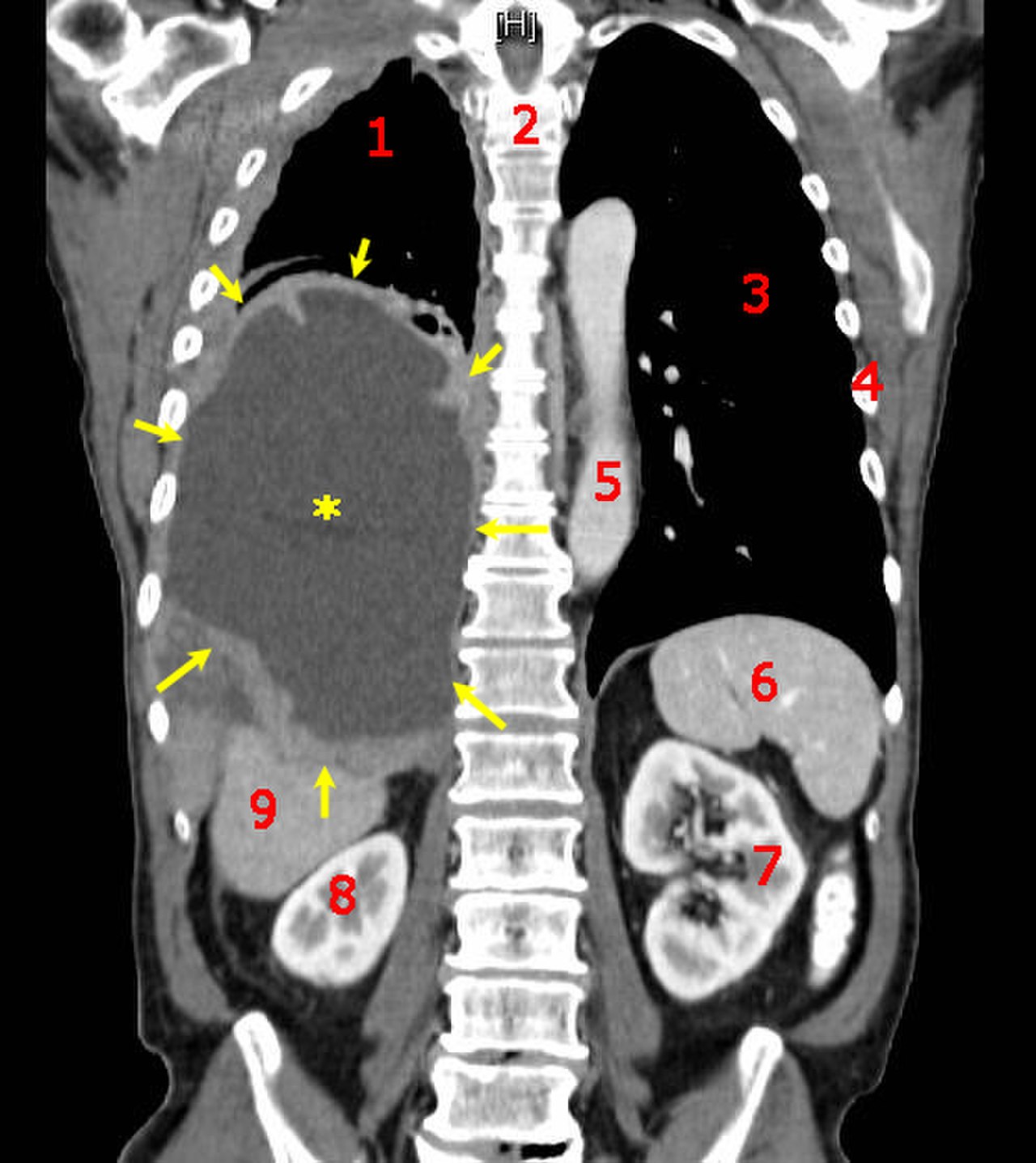
Diagnosis and staging of cancer are critical steps in determining the best course of treatment. Biopsy and imaging tests, such as CT scans and MRI scans, are commonly used to diagnose cancer. Tumor markers, such as PSA and CAE-125, can also be used to monitor cancer progression. For more information on cancer diagnosis and staging, visit the Cancer.gov website.
💊 Treatment Options
Treatment options for cancer vary depending on the type and stage of the disease. Surgery, chemotherapy, and radiation therapy are common treatment options. Targeted therapy and immunotherapy are also being used to treat certain types of cancer. Clinical trials are an important way for patients to access new and innovative treatments. For example, pembrolizumab has been shown to be effective in treating melanoma.
🔬 Cancer Research and Development
Cancer research and development are critical to improving our understanding of the disease and developing new treatments. Cancer research institutes and pharmaceutical companies are working together to develop new therapies and treatments. Personalized medicine and precision medicine are also being explored as ways to tailor treatment to individual patients. For more information on cancer research and development, visit the National Institutes of Health website.
📊 Cancer Statistics and Trends
Cancer statistics and trends are an important way to track the burden of the disease and identify areas for improvement. According to the World Health Organization, cancer is a leading cause of death globally, with over 9 million deaths per year. Cancer incidence and cancer mortality rates vary by region and type of cancer. For example, lungs cancer incidence is highest in Asia.
🌈 Support and Resources
Support and resources are available for patients and families affected by cancer. Cancer support groups and cancer advocacy organizations provide emotional support and resources. Patient education and patient navigation are also important ways to empower patients and families. For more information on cancer support and resources, visit the Cancer Care website.
👨⚕️ Cancer Prevention and Screening
Cancer prevention and screening are critical to reducing the burden of the disease. Cancer screening tests, such as mammograms and colonoscopies, can help detect cancer early. Healthy lifestyle choices, such as healthy diet and regular exercise, can also reduce the risk of certain types of cancer. For example, quit smoking can reduce the risk of lungs cancer.
💻 Emerging Technologies in Cancer Care
Emerging technologies in cancer care are transforming the way we diagnose, treat, and manage cancer. Artificial intelligence and machine learning are being used to analyze large datasets and develop personalized treatment plans. Nanotechnology and gene editing are also being explored as ways to develop new therapies and treatments. For more information on emerging technologies in cancer care, visit the IEEE website.
Key Facts
- Year
- 2022
- Origin
- Ancient civilizations, with evidence of cancer dating back to around 3000 BC
- Category
- Health and Medicine
- Type
- Disease
Frequently Asked Questions
What is cancer?
Cancer is a group of diseases involving uncontrolled cell growth, resulting in tumors with the potential to invade or spread to other parts of the body. There are over 100 types of cancers that affect humans, each with its own unique characteristics and treatment options. For more information on cancer, visit the World Health Organization website.
What are the symptoms of cancer?
The symptoms of cancer vary depending on the type and stage of the disease. Common symptoms include weight loss, fatigue, and pain. For more information on cancer symptoms, visit the American Cancer Society website.
How is cancer diagnosed?
Cancer is diagnosed using a variety of tests, including biopsy and imaging tests, such as CT scans and MRI scans. Tumor markers, such as PSA and CAE-125, can also be used to monitor cancer progression. For more information on cancer diagnosis, visit the Cancer.gov website.
What are the treatment options for cancer?
Treatment options for cancer vary depending on the type and stage of the disease. Surgery, chemotherapy, and radiation therapy are common treatment options. Targeted therapy and immunotherapy are also being used to treat certain types of cancer. For more information on cancer treatment, visit the National Cancer Institute website.
Can cancer be prevented?
While cancer cannot be completely prevented, there are steps that can be taken to reduce the risk of certain types of cancer. Healthy lifestyle choices, such as healthy diet and regular exercise, can reduce the risk of certain types of cancer. Cancer screening tests, such as mammograms and colonoscopies, can also help detect cancer early. For more information on cancer prevention, visit the American Cancer Society website.
What are the latest developments in cancer research?
The latest developments in cancer research include the use of artificial intelligence and machine learning to analyze large datasets and develop personalized treatment plans. Nanotechnology and gene editing are also being explored as ways to develop new therapies and treatments. For more information on cancer research, visit the National Institutes of Health website.
What are the most common types of cancer?
The most common types of cancer include lungs cancer, breast cancer, and colon cancer. Skin cancer is also a common type of cancer, with melanoma being the most aggressive form. For more information on the different types of cancer, visit the American Cancer Society website.