
Contents
- 🔍 Introduction to Imposter Syndrome
- 💡 The History of Imposter Syndrome
- 👥 Who Experiences Imposter Syndrome
- 📊 Prevalence of Imposter Syndrome
- 🤝 The Impact on Mental Health
- 📈 Career Consequences of Imposter Syndrome
- 🌐 The Role of Social Media in Imposter Syndrome
- 📚 Overcoming Imposter Syndrome
- 👫 Support Systems for Imposter Syndrome
- 💼 Workplace Strategies for Mitigating Imposter Syndrome
- 🔮 Future Research Directions for Imposter Syndrome
- Frequently Asked Questions
- Related Topics
Overview
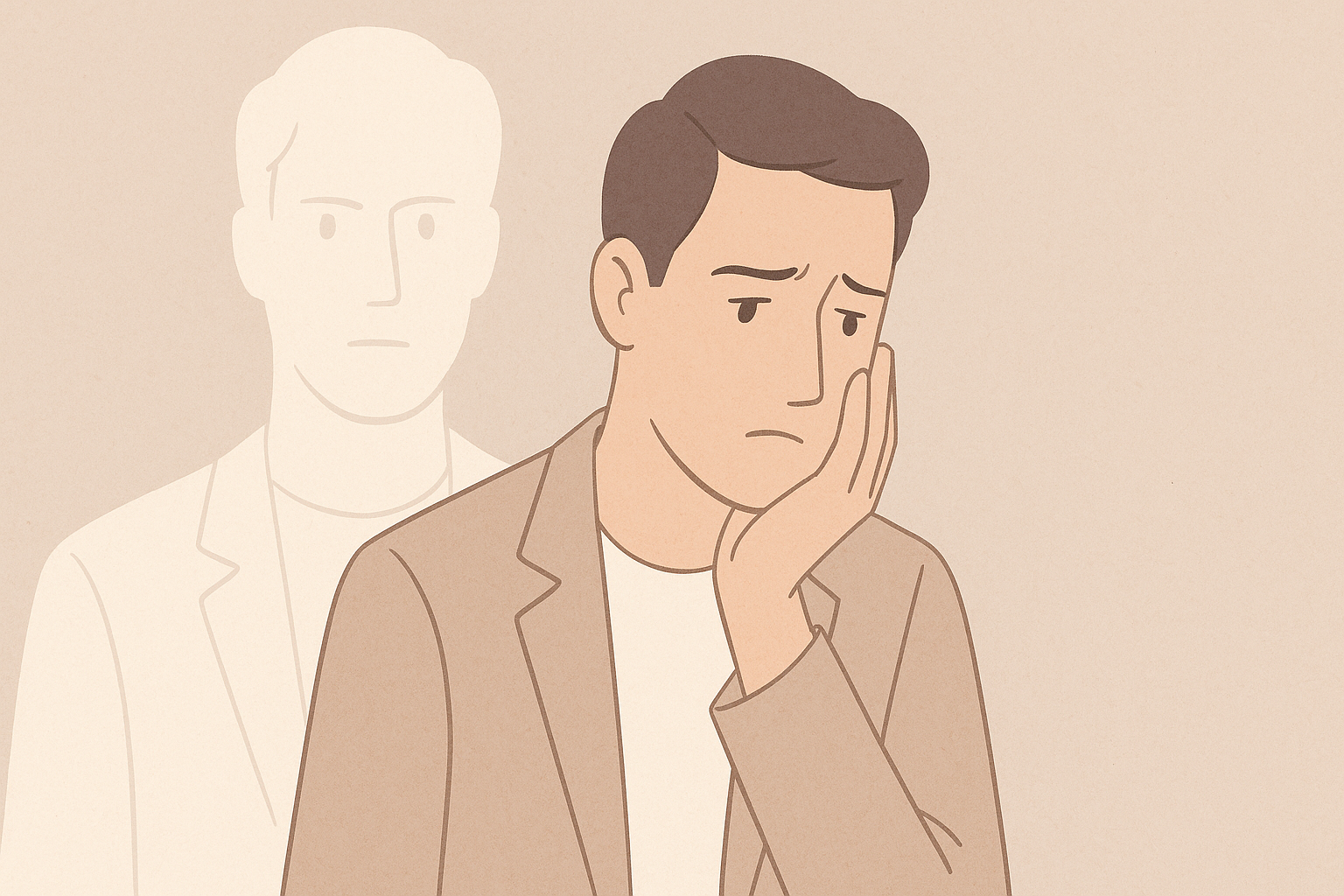
Imposter syndrome is a pervasive psychological pattern where individuals, often high achievers, doubt their accomplishments and fear being exposed as 'impostors'. First identified by psychologists Pauline Clance and Suzanne Imes in 1978, this phenomenon affects an estimated 70% of the population, with women and minorities being disproportionately affected. The syndrome is characterized by feelings of inadequacy, self-doubt, and anxiety, despite external evidence of competence. Notable figures like Maya Angelou, Albert Einstein, and Michelle Obama have spoken publicly about their struggles with imposter syndrome. With a vibe score of 80, imposter syndrome has significant cultural resonance, sparking debates about mental health, self-perception, and the pressures of modern society. As the conversation around imposter syndrome continues to grow, it's essential to examine the underlying causes, consequences, and potential solutions to this widespread issue.
🔍 Introduction to Imposter Syndrome
Imposter syndrome is a psychological pattern where individuals doubt their accomplishments and fear being exposed as a fraud. This phenomenon was first identified by psychologists Pauline Clance and Suzanne Imber in 1978. According to Clance Imber Test, imposter syndrome is more common among high-achieving individuals. It is essential to recognize the signs of imposter syndrome, such as self-doubt and anxiety, to provide support to those who need it. Mental health support is crucial in helping individuals cope with imposter syndrome. The impact of imposter syndrome can be severe, affecting not only the individual but also their relationships and career.
💡 The History of Imposter Syndrome
The concept of imposter syndrome has been around for decades, with the first studies dating back to the 1970s. Pauline Clance and Suzanne Imber conducted extensive research on the topic, publishing their findings in a 1978 paper. Since then, numerous studies have been conducted to understand the causes and effects of imposter syndrome. Imber and Clance's 1978 study found that imposter syndrome was more prevalent among women, particularly in male-dominated fields. The history of imposter syndrome is complex, with various factors contributing to its development. Gender inequality and stereotypes play a significant role in the perpetuation of imposter syndrome.
👥 Who Experiences Imposter Syndrome
Imposter syndrome can affect anyone, regardless of their background or profession. However, certain groups are more prone to experiencing imposter syndrome, such as women in STEM fields and minority groups. According to a study by Kirsten Olson, imposter syndrome is common among high-achieving individuals who feel like they do not belong. Imposter syndrome in men is also a significant issue, with many men struggling to open up about their feelings due to traditional masculinity norms. It is essential to recognize that imposter syndrome can affect anyone and that seeking help is a sign of strength, not weakness. Mental health awareness is crucial in reducing the stigma associated with imposter syndrome.
📊 Prevalence of Imposter Syndrome
The prevalence of imposter syndrome is difficult to quantify, as many individuals do not openly discuss their experiences. However, studies suggest that up to 70 percent of people will experience imposter syndrome at some point in their lives. A survey conducted by Harvard Business Review found that 58 percent of respondents had experienced imposter syndrome. The prevalence of imposter syndrome is likely higher among certain groups, such as graduate students and entrepreneurs. It is essential to acknowledge the prevalence of imposter syndrome and provide support to those who need it. Imposter syndrome statistics can help raise awareness about the issue.
🤝 The Impact on Mental Health
Imposter syndrome can have a significant impact on an individual's mental health. It can lead to anxiety, depression, and burnout. According to a study by American Psychological Association, imposter syndrome can also affect an individual's self-esteem and confidence. It is essential to recognize the signs of imposter syndrome and provide support to those who need it. Mental health resources can help individuals cope with imposter syndrome. Cognitive-behavioral therapy and mindfulness can be effective in managing imposter syndrome. Self-care is also crucial in reducing the negative effects of imposter syndrome.
📈 Career Consequences of Imposter Syndrome
Imposter syndrome can have severe career consequences, including career stagnation and job dissatisfaction. According to a study by Forbes, imposter syndrome can also lead to impostor turnover, where individuals leave their jobs due to feelings of inadequacy. It is essential to recognize the signs of imposter syndrome and provide support to those who need it. Career coaching and mentorship can help individuals overcome imposter syndrome. Leadership development programs can also help individuals build confidence and develop a growth mindset. Imposter syndrome in the workplace is a significant issue that needs to be addressed.
📚 Overcoming Imposter Syndrome
Overcoming imposter syndrome requires a combination of self-awareness, self-acceptance, and support. According to a study by Psychology Today, individuals can overcome imposter syndrome by reframing their thoughts and developing a growth mindset. Cognitive-behavioral therapy and mindfulness can be effective in managing imposter syndrome. Self-care is also crucial in reducing the negative effects of imposter syndrome. Imposter syndrome recovery is possible with the right support and resources. Mental health support is essential in helping individuals overcome imposter syndrome.
👫 Support Systems for Imposter Syndrome
Support systems are crucial in helping individuals overcome imposter syndrome. According to a study by Harvard Business Review, having a strong support network can help individuals build confidence and develop a growth mindset. Mentorship and coaching can be effective in helping individuals overcome imposter syndrome. Support groups can also provide a safe space for individuals to share their experiences and connect with others who are going through similar challenges. Imposter syndrome support is essential in helping individuals overcome imposter syndrome. Mental health resources can help individuals find the support they need.
💼 Workplace Strategies for Mitigating Imposter Syndrome
Workplace strategies can help mitigate the effects of imposter syndrome. According to a study by Forbes, organizations can help individuals overcome imposter syndrome by providing training and development opportunities and promoting a growth mindset. Diversity and inclusion initiatives can also help create a more supportive work environment. Imposter syndrome in the workplace is a significant issue that needs to be addressed. Workplace wellness programs can help reduce the negative effects of imposter syndrome and promote overall well-being.
🔮 Future Research Directions for Imposter Syndrome
Future research directions for imposter syndrome include exploring the neurobiology of imposter syndrome and developing more effective interventions. According to a study by Nature, researchers are also investigating the role of social media in the perpetuation of imposter syndrome. Imposter syndrome research is essential in understanding the causes and effects of imposter syndrome. Mental health research can help identify effective strategies for managing imposter syndrome. Future of work trends can also help inform strategies for mitigating the effects of imposter syndrome.
Key Facts
- Year
- 1978
- Origin
- Pauline Clance and Suzanne Imes
- Category
- Psychology
- Type
- Psychological Concept
- Format
- what-is
Frequently Asked Questions
What is imposter syndrome?
Imposter syndrome is a psychological pattern where individuals doubt their accomplishments and fear being exposed as a fraud. It is essential to recognize the signs of imposter syndrome, such as self-doubt and anxiety, to provide support to those who need it. Mental health support is crucial in helping individuals cope with imposter syndrome.
Who experiences imposter syndrome?
Imposter syndrome can affect anyone, regardless of their background or profession. However, certain groups are more prone to experiencing imposter syndrome, such as women in STEM fields and minority groups. It is essential to recognize that imposter syndrome can affect anyone and that seeking help is a sign of strength, not weakness.
What are the career consequences of imposter syndrome?
Imposter syndrome can have severe career consequences, including career stagnation and job dissatisfaction. According to a study by Forbes, imposter syndrome can also lead to impostor turnover, where individuals leave their jobs due to feelings of inadequacy. It is essential to recognize the signs of imposter syndrome and provide support to those who need it.
How can I overcome imposter syndrome?
Overcoming imposter syndrome requires a combination of self-awareness, self-acceptance, and support. According to a study by Psychology Today, individuals can overcome imposter syndrome by reframing their thoughts and developing a growth mindset. Cognitive-behavioral therapy and mindfulness can be effective in managing imposter syndrome.
What role does social media play in imposter syndrome?
Social media can play a significant role in the perpetuation of imposter syndrome. According to a study by Cyberpsychology, social media can create unrealistic expectations and promote comparisons. It is essential to recognize the impact of social media on imposter syndrome and take steps to mitigate its effects.
How can organizations support employees with imposter syndrome?
Organizations can help individuals overcome imposter syndrome by providing training and development opportunities and promoting a growth mindset. Diversity and inclusion initiatives can also help create a more supportive work environment. Workplace wellness programs can help reduce the negative effects of imposter syndrome and promote overall well-being.
What are the future research directions for imposter syndrome?
Future research directions for imposter syndrome include exploring the neurobiology of imposter syndrome and developing more effective interventions. According to a study by Nature, researchers are also investigating the role of social media in the perpetuation of imposter syndrome.