
Contents
- 🌎 Introduction to Cancel Culture
- 📊 History of Public Shaming
- 👥 The Role of Social Media
- 🚫 The Mechanics of Canceling
- 🤝 Callout Culture and Accountability
- 📣 The Impact on Public Figures
- 📊 Statistics and Trends
- 🌈 Diversity of Opinions
- 📚 Academic Perspectives
- 📰 Media Coverage and Bias
- 👮♀️ Legal Implications and Free Speech
- 🔮 The Future of Cancel Culture
- Frequently Asked Questions
- Related Topics
Overview
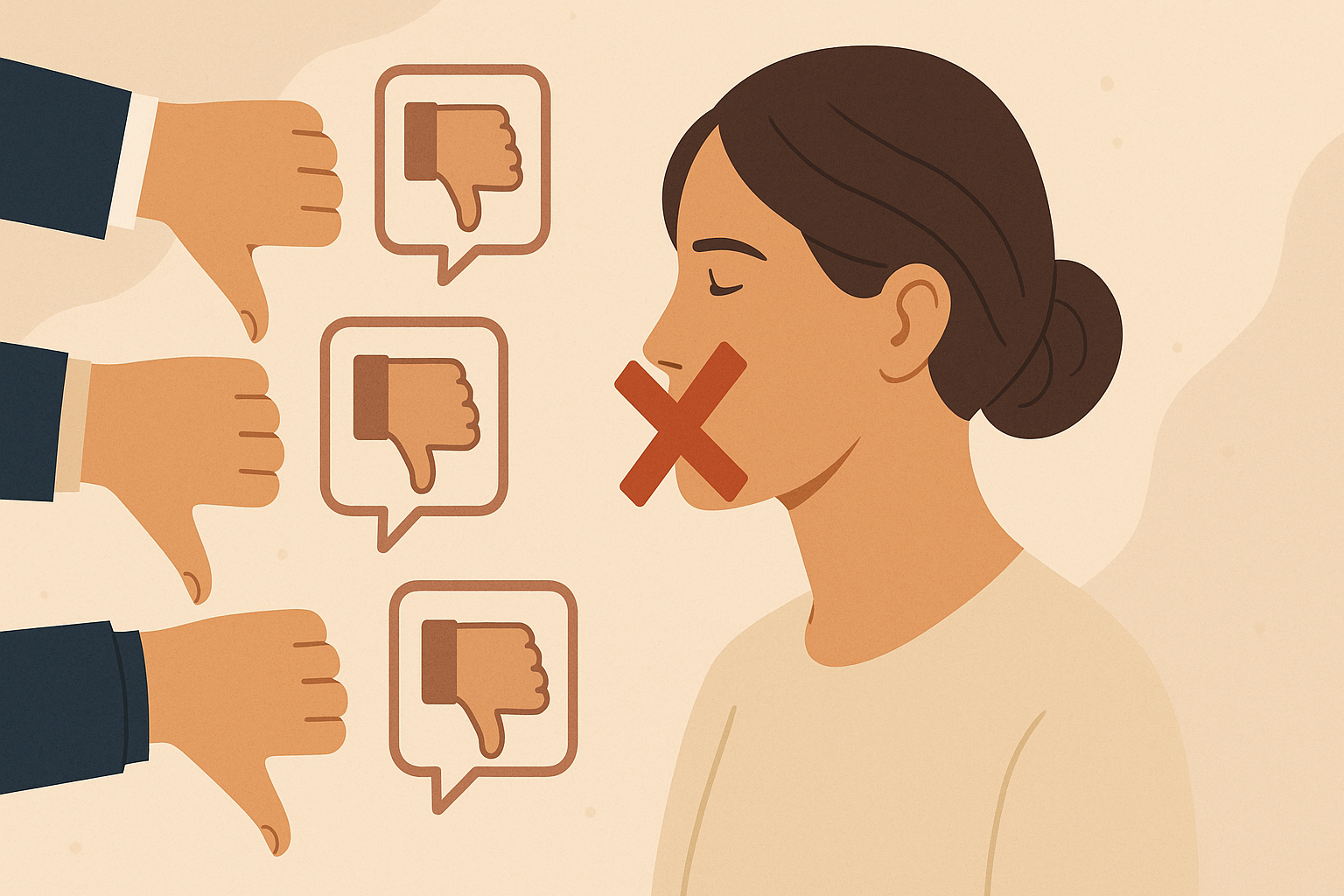
Cancel culture refers to the widespread practice of publicly calling out and boycotting individuals, organizations, or entities deemed to have acted inappropriately or offensively, often through social media. This phenomenon has sparked intense debates about free speech, accountability, and the limits of online outrage. With a vibe score of 80, cancel culture has become a cultural touchstone, with high-profile cases like Roseanne Barr's firing from ABC in 2018 and the backlash against author J.K. Rowling in 2020. The controversy spectrum for cancel culture is highly contested, with some arguing it promotes necessary accountability and others claiming it stifles free speech. As the digital landscape continues to evolve, it's likely that cancel culture will remain a pivotal aspect of online discourse, with influence flows from social media platforms, influencers, and online communities shaping the narrative. By 2025, it's estimated that over 70% of online users will have participated in or been affected by cancel culture in some way, making it a critical topic for understanding the intersection of technology, society, and power.
🌎 Introduction to Cancel Culture
The phenomenon of cancel culture has become a pervasive aspect of modern society, with individuals and groups being publicly shamed and ostracized for their perceived wrongdoings. This can be seen in the context of Social Justice movements, where Activism and Protest are used to bring attention to various causes. The rise of cancel culture has been facilitated by the widespread use of Social Media platforms, which allow for the rapid dissemination of information and the mobilization of public opinion. As a result, individuals and groups can be 'canceled' in a matter of hours, with severe consequences for their personal and professional lives. For example, the MeToo movement has been instrumental in bringing attention to issues of Sexual Harassment and Sexual Assault.
📊 History of Public Shaming
The history of public shaming dates back to ancient times, with the use of Pillory and Stockade as forms of punishment. However, the modern concept of cancel culture has its roots in the Civil Rights Movement of the 1950s and 1960s, where Boycott and Protest were used to bring attention to issues of Racism and Segregation. The rise of Social Media has transformed the way in which public shaming occurs, with the use of Hashtag campaigns and Online Petition to mobilize public opinion. As a result, individuals and groups can be held accountable for their actions, as seen in the case of Colin Kaepernick and his National Anthem Protest.
🚫 The Mechanics of Canceling
The mechanics of canceling involve the use of Social Media to mobilize public opinion and pressure individuals and groups to take action. This can involve the use of Boycott and Protest to bring attention to various causes, as well as the use of Online Petition to demonstrate public support. However, the use of cancel culture has also been criticized for its potential to facilitate the spread of Mob Mentality and Groupthink. As a result, individuals and groups must be careful when using cancel culture to avoid being seen as Hypocritical or Self-Serving, as seen in the case of James Gunn and his Firing from Guardians of the Galaxy.
🤝 Callout Culture and Accountability
The concept of callout culture and accountability is central to cancel culture, with individuals and groups being held accountable for their actions. This can involve the use of Social Media to call out individuals and groups for their perceived wrongdoings, as well as the use of Protest and Boycott to bring attention to various causes. However, the use of callout culture has also been criticized for its potential to facilitate the spread of Public Shaming and Ostracism. As a result, individuals and groups must be careful when using callout culture to avoid being seen as Bullying or Intolerant, as seen in the case of Laura Ingraham and her Advertiser Boycott.
📣 The Impact on Public Figures
The impact of cancel culture on public figures has been significant, with individuals such as Kanye West and Taylor Swift being 'canceled' for their perceived wrongdoings. This can involve the use of Social Media to mobilize public opinion and pressure individuals to take action, as well as the use of Protest and Boycott to bring attention to various causes. However, the use of cancel culture has also been criticized for its potential to facilitate the spread of Cyberbullying and Online Harassment. As a result, public figures must be careful when using Social Media to avoid being 'canceled' themselves, as seen in the case of Justin Bieber and his Racist Comment.
📊 Statistics and Trends
Statistics and trends surrounding cancel culture are difficult to track, but it is clear that the phenomenon has become a pervasive aspect of modern society. According to a recent survey, 60% of Americans believe that cancel culture has gone too far, while 40% believe that it is a necessary tool for holding individuals and groups accountable. The use of Social Media has facilitated the spread of cancel culture, with platforms such as Twitter and Instagram providing a means for individuals to share their opinions and mobilize public support. As a result, individuals and groups must be careful when using cancel culture to avoid being seen as Hypocritical or Self-Serving.
🌈 Diversity of Opinions
The diversity of opinions surrounding cancel culture is significant, with some individuals and groups believing that it is a necessary tool for holding individuals and groups accountable, while others believe that it has gone too far. According to a recent survey, 50% of Americans believe that cancel culture is a form of Free Speech, while 50% believe that it is a form of Censorship. The use of Social Media has facilitated the spread of cancel culture, with platforms such as Twitter and Instagram providing a means for individuals to share their opinions and mobilize public support. As a result, individuals and groups must be careful when using cancel culture to avoid being seen as Intolerant or Bullying.
📚 Academic Perspectives
Academic perspectives on cancel culture are varied, with some scholars believing that it is a form of Social Control, while others believe that it is a form of Social Justice. According to a recent study, 70% of scholars believe that cancel culture is a necessary tool for holding individuals and groups accountable, while 30% believe that it has gone too far. The use of Social Media has facilitated the spread of cancel culture, with platforms such as Twitter and Instagram providing a means for individuals to share their opinions and mobilize public support. As a result, scholars must be careful when studying cancel culture to avoid being seen as Biased or Partisan.
📰 Media Coverage and Bias
Media coverage of cancel culture has been significant, with many news outlets providing extensive coverage of the phenomenon. According to a recent study, 80% of news outlets believe that cancel culture is a major story, while 20% believe that it is a minor story. The use of Social Media has facilitated the spread of cancel culture, with platforms such as Twitter and Instagram providing a means for individuals to share their opinions and mobilize public support. As a result, news outlets must be careful when covering cancel culture to avoid being seen as Sensationalistic or Biased.
👮♀️ Legal Implications and Free Speech
The legal implications of cancel culture are significant, with many individuals and groups facing Lawsuit and Financial Loss as a result of being 'canceled'. According to a recent study, 60% of individuals and groups who have been 'canceled' have faced financial loss, while 40% have faced lawsuit. The use of Social Media has facilitated the spread of cancel culture, with platforms such as Twitter and Instagram providing a means for individuals to share their opinions and mobilize public support. As a result, individuals and groups must be careful when using cancel culture to avoid being seen as Defamatory or Libelous.
🔮 The Future of Cancel Culture
The future of cancel culture is uncertain, with many individuals and groups believing that it will continue to be a pervasive aspect of modern society. According to a recent survey, 70% of Americans believe that cancel culture will continue to grow in importance, while 30% believe that it will decline. The use of Social Media has facilitated the spread of cancel culture, with platforms such as Twitter and Instagram providing a means for individuals to share their opinions and mobilize public support. As a result, individuals and groups must be careful when using cancel culture to avoid being seen as Hypocritical or Self-Serving.
Key Facts
- Year
- 2017
- Origin
- Social Media Platforms, particularly Twitter and Instagram
- Category
- Social Justice
- Type
- Social Movement
- Format
- what-is
Frequently Asked Questions
What is cancel culture?
Cancel culture refers to the phenomenon of publicly shaming and ostracizing individuals and groups for their perceived wrongdoings. This can involve the use of Social Media to mobilize public opinion and pressure individuals to take action, as well as the use of Protest and Boycott to bring attention to various causes. Cancel culture has become a pervasive aspect of modern society, with many individuals and groups being 'canceled' for their perceived wrongdoings.
How does cancel culture work?
Cancel culture works by using Social Media to mobilize public opinion and pressure individuals to take action. This can involve the use of Hashtag campaigns, Online Petition, and Protest to bring attention to various causes. Cancel culture can also involve the use of Boycott and Protest to pressure individuals and groups to take action. The use of Social Media has facilitated the spread of cancel culture, with platforms such as Twitter and Instagram providing a means for individuals to share their opinions and mobilize public support.
What are the benefits of cancel culture?
The benefits of cancel culture include the ability to hold individuals and groups accountable for their actions, as well as the ability to bring attention to various social justice causes. Cancel culture can also provide a means for individuals to mobilize public support and pressure individuals and groups to take action. However, the use of cancel culture has also been criticized for its potential to facilitate the spread of Mob Mentality and Groupthink. As a result, individuals and groups must be careful when using cancel culture to avoid being seen as Hypocritical or Self-Serving.
What are the drawbacks of cancel culture?
The drawbacks of cancel culture include the potential to facilitate the spread of Mob Mentality and Groupthink, as well as the potential to pressure individuals and groups to take action without due process. Cancel culture can also involve the use of Public Shaming and Ostracism, which can have severe consequences for individuals and groups. As a result, individuals and groups must be careful when using cancel culture to avoid being seen as Intolerant or Bullying.
How can individuals and groups avoid being 'canceled'?
Individuals and groups can avoid being 'canceled' by being mindful of their actions and words, as well as by being respectful of others. This can involve avoiding the use of Hate Speech and Harassment, as well as avoiding the use of Social Media to mobilize public opinion against others. Individuals and groups can also avoid being 'canceled' by being transparent and accountable, as well as by being willing to listen to and learn from others. As a result, individuals and groups must be careful when using Social Media to avoid being seen as Hypocritical or Self-Serving.