
Contents
- 🍚 Introduction to Rice Cooking
- 🔥 Choosing the Right Rice
- 🌾 Understanding Rice Varieties
- 🍲 Cooking Methods and Techniques
- 👨🍳 Tips for Cooking White Rice
- 🍚 Cooking Brown Rice and Other Varieties
- 🤔 Common Mistakes to Avoid
- 📊 Measuring and Proportioning Rice and Water
- 👩🍳 Advanced Rice Cooking Techniques
- 🌮 Cooking Rice for Specific Cuisines
- 🤝 Troubleshooting Rice Cooking Issues
- 📚 Conclusion and Further Reading
- Frequently Asked Questions
- Related Topics
Overview
Cooking rice is a deceptively simple process that can elevate or undermine an entire meal. With a vibe score of 8, the art of cooking rice has been debated by chefs and home cooks alike, with some swearing by the absorption method and others by the pilaf technique. According to a study published in the Journal of Food Science, the ideal water-to-rice ratio is 1.2:1, but this can vary depending on the type of rice and personal preference. Influential chefs like Masaharu Morimoto and Gordon Ramsay have weighed in on the topic, with Morimoto advocating for a 1:1 ratio and Ramsay insisting on a more generous water ratio. As the global demand for rice continues to grow, with over 3.5 billion people relying on it as a staple food, the importance of cooking it perfectly cannot be overstated. With the right techniques and a little practice, anyone can become a rice-cooking master, but the question remains: what's the future of rice production and consumption, and how will it impact the way we cook this staple food?
🍚 Introduction to Rice Cooking
The art of cooking rice perfectly is a fundamental skill in many cuisines around the world. With over 40,000 varieties of rice, it can be overwhelming to choose the right type and cooking method. According to rice varieties experts, the key to cooking perfect rice lies in understanding the different types of rice and their unique characteristics. For instance, Jasmine rice is known for its fragrant and fluffy texture, while Basmati rice is prized for its nutty flavor and firm texture. To start, it's essential to understand the basics of cooking techniques and how they apply to rice cooking.
🔥 Choosing the Right Rice
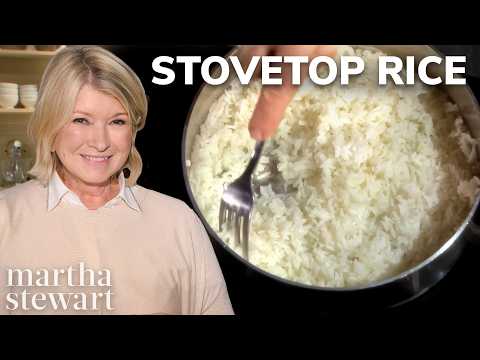
Choosing the right rice is crucial for achieving perfect results. With so many varieties available, it's essential to consider factors such as texture, flavor, and aroma. For example, Arborio rice is specifically designed for risotto and other creamy dishes, while Sushi rice is short-grain and clingy, making it ideal for sushi and other Japanese dishes. Understanding the different types of rice and their uses can help you make informed decisions when cooking. As noted by Martha Stewart, a good starting point is to experiment with different types of rice to find your favorite.
🌾 Understanding Rice Varieties
Rice varieties can be broadly classified into several categories, including long-grain, medium-grain, and short-grain. Each type of rice has its unique characteristics, such as texture, flavor, and cooking time. For instance, Long-grain rice is light and fluffy, while Short-grain rice is clingy and sticky. Understanding these differences can help you choose the right type of rice for your dish. As explained in The Joy of Cooking, the type of rice used can greatly impact the final result.
🍲 Cooking Methods and Techniques
Cooking methods and techniques play a significant role in achieving perfect rice. There are several methods to cook rice, including boiling, steaming, and frying. Each method requires specific techniques and attention to detail to produce the desired results. For example, Steaming rice is a great way to preserve the nutrients and flavor of the rice, while Frying rice can add a crispy texture and flavor. As demonstrated by Gordon Ramsay, the key to cooking perfect rice is to use the right technique and to not overcook it.
👨🍳 Tips for Cooking White Rice
Cooking white rice is a straightforward process that requires attention to detail. The general rule of thumb is to use a 2:1 water-to-rice ratio, but this can vary depending on the type of rice and personal preference. As noted by Epicurious, it's essential to rinse the rice before cooking to remove excess starch and impurities. Additionally, using a rice cooker can help to achieve perfect results every time. For more information on cooking white rice, refer to White Rice recipes.
🍚 Cooking Brown Rice and Other Varieties
Cooking brown rice and other varieties requires a slightly different approach. Brown rice, for example, requires a longer cooking time and more water than white rice. As explained in Brown Rice recipes, it's essential to use the right water-to-rice ratio and to not overcook the rice. Other varieties, such as Wild rice, require special care and attention to achieve the desired results. For more information on cooking different types of rice, refer to Rice Recipes.
🤔 Common Mistakes to Avoid
Common mistakes to avoid when cooking rice include overcooking, undercooking, and using the wrong water-to-rice ratio. Overcooking can result in mushy and unappetizing rice, while undercooking can leave the rice hard and crunchy. As noted by Food Network, using the right water-to-rice ratio is crucial for achieving perfect results. Additionally, not rinsing the rice before cooking can result in excess starch and impurities, leading to poor texture and flavor.
📊 Measuring and Proportioning Rice and Water
Measuring and proportioning rice and water is a critical step in cooking perfect rice. The general rule of thumb is to use a 2:1 water-to-rice ratio, but this can vary depending on the type of rice and personal preference. As explained in Cooking Basics, it's essential to use a measuring cup to accurately measure the rice and water. Additionally, using a Digital Scale can help to ensure precision and accuracy.
👩🍳 Advanced Rice Cooking Techniques
Advanced rice cooking techniques include using different seasonings and flavorings to enhance the flavor and aroma of the rice. For example, Saffron and Turmeric can add a unique and exotic flavor to the rice, while Garlic and Ginger can add a savory and aromatic flavor. As demonstrated by Bobby Flay, the key to advanced rice cooking is to experiment with different ingredients and techniques to find your favorite.
🌮 Cooking Rice for Specific Cuisines
Cooking rice for specific cuisines requires attention to detail and an understanding of the unique characteristics of each cuisine. For example, Japanese cuisine requires short-grain rice that is clingy and sticky, while Indian cuisine requires long-grain rice that is light and fluffy. As explained in Cuisine Guide, understanding the different types of rice and their uses can help you cook authentic and delicious dishes from around the world.
🤝 Troubleshooting Rice Cooking Issues
Troubleshooting rice cooking issues is essential for achieving perfect results. Common issues include overcooking, undercooking, and using the wrong water-to-rice ratio. As noted by America's Test Kitchen, the key to troubleshooting is to identify the problem and adjust the cooking technique accordingly. For example, if the rice is overcooked, it's essential to reduce the cooking time and water-to-rice ratio. For more information on troubleshooting rice cooking issues, refer to Troubleshooting Rice.
📚 Conclusion and Further Reading
In conclusion, cooking rice perfectly is a skill that requires attention to detail and an understanding of the unique characteristics of each type of rice. By following the tips and techniques outlined in this article, you can achieve perfect results every time. For further reading and recipes, refer to Rice Cooking and Cooking Techniques. As noted by Mark Bittman, the key to cooking perfect rice is to experiment and find your favorite techniques and ingredients.
Key Facts
- Year
- 2023
- Origin
- Ancient Mesopotamia, with modern techniques developed in Asia and the Middle East
- Category
- Cooking Techniques
- Type
- Cooking Technique
- Format
- how-to
Frequently Asked Questions
What is the best type of rice for cooking?
The best type of rice for cooking depends on personal preference and the type of dish being prepared. Long-grain rice is light and fluffy, while short-grain rice is clingy and sticky. Brown rice is a healthier option and requires a longer cooking time. For more information, refer to Rice Varieties.
How do I cook perfect white rice?
Cooking perfect white rice requires attention to detail and the right technique. Use a 2:1 water-to-rice ratio, rinse the rice before cooking, and use a rice cooker for perfect results. For more information, refer to White Rice recipes.
What is the difference between brown rice and white rice?
Brown rice is a healthier option than white rice, as it contains more fiber and nutrients. Brown rice requires a longer cooking time and more water than white rice. For more information, refer to Brown Rice recipes.
How do I troubleshoot rice cooking issues?
Troubleshooting rice cooking issues requires identifying the problem and adjusting the cooking technique accordingly. Common issues include overcooking, undercooking, and using the wrong water-to-rice ratio. For more information, refer to Troubleshooting Rice.
What are some advanced rice cooking techniques?
Advanced rice cooking techniques include using different seasonings and flavorings to enhance the flavor and aroma of the rice. For example, saffron and turmeric can add a unique and exotic flavor to the rice, while garlic and ginger can add a savory and aromatic flavor. For more information, refer to Advanced Rice Cooking.
How do I cook rice for specific cuisines?
Cooking rice for specific cuisines requires attention to detail and an understanding of the unique characteristics of each cuisine. For example, Japanese cuisine requires short-grain rice that is clingy and sticky, while Indian cuisine requires long-grain rice that is light and fluffy. For more information, refer to Cuisine Guide.
What is the best way to store cooked rice?
The best way to store cooked rice is to cool it down to room temperature and then refrigerate or freeze it. Cooked rice can be stored in the refrigerator for up to 3 days and in the freezer for up to 3 months. For more information, refer to Storing Cooked Rice.