
Contents
Overview
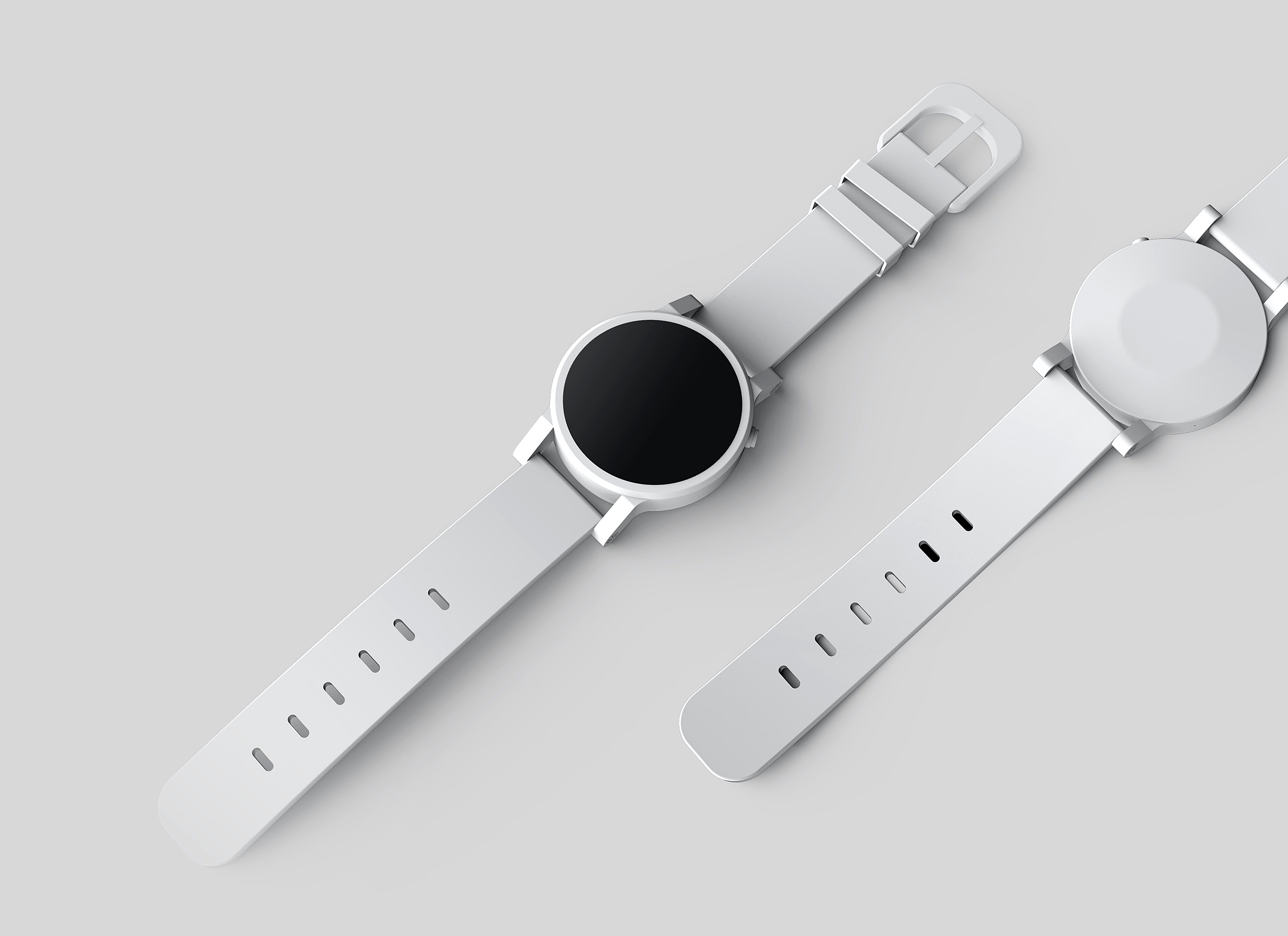
Wearable devices are revolutionizing postpartum support in Los Angeles by providing new mothers with personalized health monitoring and tracking. These devices, such as smartwatches and fitness trackers, can detect vital signs, track physical activity, and offer immediate biofeedback, enabling postpartum doulas to provide more effective care. With the rise of wearable technology, postpartum support is becoming more accessible and efficient, allowing new mothers to recover and thrive in the comfort of their own homes. According to some sources, wearable devices may help improve postpartum care, but more research is needed to confirm their effectiveness.
Origins & History
The use of wearable devices in postpartum support has its roots in the early 2010s, when fitness trackers first became popular. Today, companies like Omron and Withings are developing wearable devices specifically designed for postpartum care, with features such as blood pressure monitoring and breastfeeding tracking.
How It Works
Wearable devices work by using sensors to track physical activity, sleep patterns, and vital signs, such as heart rate and blood pressure. This data is then transmitted to a smartphone or computer, where it can be analyzed and used to provide personalized feedback and support. For example, a postpartum doula can use a wearable device to track a new mother's physical activity levels and provide guidance on how to increase her energy levels.
Key Facts & Numbers
Some studies suggest that wearable devices may have a positive impact on postpartum care, but more research is needed to confirm their effectiveness. Additionally, a survey conducted by Postpartum Support International found that many postpartum doulas believe that wearable devices are a useful tool for providing postpartum support.
Key People & Organizations
Key people in the development of wearable devices for postpartum support include Dr. Jennifer Ashton, an obstetrician and gynecologist who has written extensively on the topic of postpartum care. Organizations such as the American College of Obstetricians and Gynecologists are also playing a crucial role in promoting the use of wearable devices in postpartum care.
Cultural Impact & Influence
The cultural impact of wearable devices in postpartum support is significant, as they are helping to reduce the stigma associated with postpartum depression and anxiety. Wearable devices are providing new mothers with a sense of control and empowerment, as they are able to track their physical activity levels and receive personalized feedback and support.
Current State & Latest Developments
As of 2022, the use of wearable devices in postpartum support is becoming increasingly popular, with many postpartum doulas and healthcare providers incorporating these devices into their practice. Companies such as BabyTracker and Postpartum Angel are developing wearable devices specifically designed for postpartum care, with features such as breastfeeding tracking and baby monitoring.
Controversies & Debates
One of the controversies surrounding the use of wearable devices in postpartum support is the issue of data privacy. There is a need for standardization in the development of wearable devices for postpartum care, which can make it difficult for healthcare providers to compare and contrast different devices.
Future Outlook & Predictions
The future outlook for wearable devices in postpartum support is uncertain, as more research is needed to confirm their effectiveness. However, it is clear that wearable devices have the potential to improve postpartum care and provide new mothers with personalized feedback and support.
Practical Applications
Practical applications of wearable devices in postpartum support include tracking physical activity levels, monitoring vital signs, and providing personalized feedback and support. For example, a postpartum doula can use a wearable device to track a new mother's physical activity levels and provide guidance on how to increase her energy levels.
Key Facts
- Year
- 2022
- Origin
- Los Angeles, California
- Category
- resources
- Type
- concept
Frequently Asked Questions
What are wearable devices in postpartum support?
Wearable devices in postpartum support are electronic devices that are worn on the body to track physical activity, vital signs, and other health metrics. They are used to provide personalized feedback and support to new mothers, helping them to recover and thrive after childbirth.
How do wearable devices work in postpartum support?
Wearable devices in postpartum support work by using sensors to track physical activity, sleep patterns, and vital signs, such as heart rate and blood pressure. This data is then transmitted to a smartphone or computer, where it can be analyzed and used to provide personalized feedback and support.
What are the benefits of wearable devices in postpartum support?
The benefits of wearable devices in postpartum support are not yet fully understood, but they may include improved health outcomes and increased energy levels. More research is needed to confirm the effectiveness of wearable devices in postpartum care.