
Contents
- 🌱 Introduction to Vegetables
- 🥗 Defining Vegetables: A Complex Task
- 🌿 The Evolution of Vegetable Consumption
- 🍴 Culinary Uses of Vegetables
- 🥦 The Nutritional Value of Vegetables
- 🌸 Vegetable Classification: A Botanical Perspective
- 🍲 Vegetable Preparation Methods
- 🌻 The Cultural Significance of Vegetables
- 🌺 Vegetable Production and Trade
- 🌼 The Future of Vegetable Farming
- 🌹 Vegetable-Related Health Concerns
- Frequently Asked Questions
- Related Topics
Overview
Vegetables have been a staple of human diets for thousands of years, with a history dating back to ancient civilizations in Egypt, Greece, and Rome. The skeptic might question the nutritional value of certain vegetables, but the fan will argue that they are the key to a balanced diet and a cultural phenomenon, with a Vibe score of 80. From the engineer's perspective, the process of cultivating and distributing vegetables is a complex web of logistics and technology. The futurist will ask: what role will vegetables play in the future of food production, particularly in the face of climate change and population growth? With a controversy spectrum rating of 6, the topic of vegetables is not without its tensions, particularly when it comes to issues like pesticide use and water consumption. As we move forward, it's estimated that the global vegetable market will reach $1.4 trillion by 2025, with key players like Monsanto and Syngenta influencing the industry.
🌱 Introduction to Vegetables
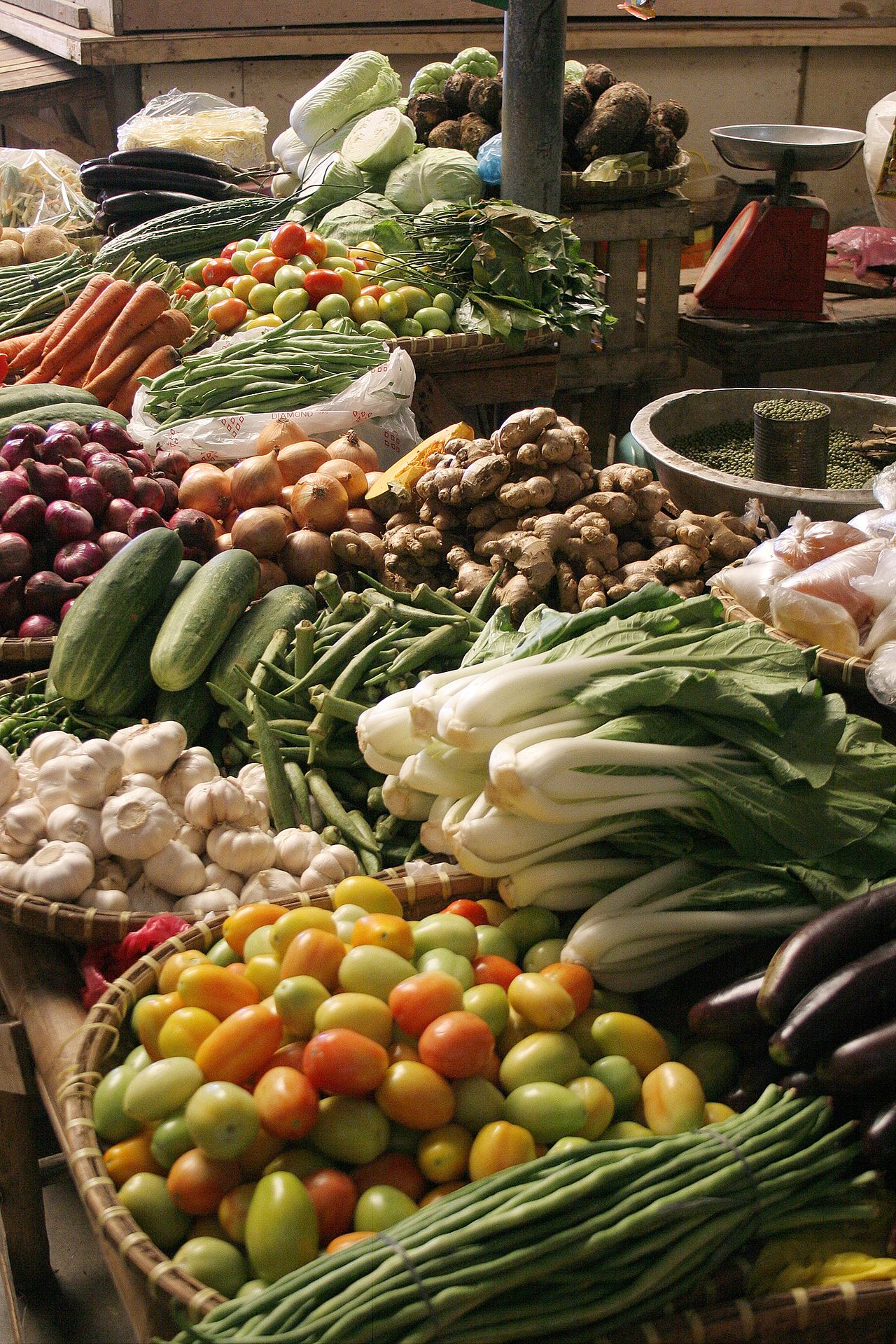
Vegetables are a crucial part of a healthy diet, providing essential nutrients, fiber, and antioxidants. As explained in Food Pyramid, a balanced diet should include a variety of vegetables. The term 'vegetable' is often used to refer to all edible plant matter, including Fruits, Stems, Leaves, Roots, and Seeds. However, the definition of a vegetable can be somewhat arbitrary, and is often influenced by Culinary Traditions and cultural context. For instance, Tomatoes are often considered a vegetable, despite being a type of Fruit.
🥗 Defining Vegetables: A Complex Task
Defining vegetables can be a complex task, as different cultures and traditions have varying definitions. As discussed in Botany, the term 'vegetable' is not a formal botanical term, but rather a culinary and cultural concept. From a botanical perspective, vegetables can include Flowers such as Broccoli, Seeds such as Pulses, and Roots such as Carrots. However, the definition of a vegetable can also exclude foods derived from some plants that are Fruits, Flowers, Nuts, and Cereal Grains.
🌿 The Evolution of Vegetable Consumption
The evolution of vegetable consumption has been shaped by various factors, including Agriculture, Trade, and Culture. As explained in History of Food, the domestication of plants has played a significant role in the development of vegetable consumption. The introduction of new vegetable varieties, such as Potatoes and Tomatoes, has also had a significant impact on the way people eat. Furthermore, the influence of Globalization has led to the increased availability of a wide range of vegetables, including Exotic Vegetables.
🍴 Culinary Uses of Vegetables
Vegetables are a versatile ingredient, and can be used in a variety of Cuisine and Cooking Techniques. As discussed in Cooking, vegetables can be used in Soups, Stews, Salads, and Stir-Fries. The choice of vegetable often depends on the desired texture, flavor, and nutritional content. For example, Leafy Greens such as Spinach and Kale are rich in Iron and Calcium, while Cruciferous Vegetables such as Broccoli and Cauliflower contain Vitamin C and Fiber.
🥦 The Nutritional Value of Vegetables
The nutritional value of vegetables is well-documented, and they are an essential part of a healthy diet. As explained in Nutrition, vegetables provide essential Vitamins, Minerals, and Antioxidants. A diet rich in vegetables has been shown to reduce the risk of Chronic Diseases, such as Heart Disease and Cancer. Furthermore, vegetables are low in Calories and high in Fiber, making them an ideal ingredient for Weight Management.
🌸 Vegetable Classification: A Botanical Perspective
From a botanical perspective, vegetables can be classified into different categories, including Roots, Stems, Leaves, Flowers, and Seeds. As discussed in Botany, each category has its own unique characteristics and uses. For example, Root Vegetables such as Carrots and Beets are often used in Soups and Stews, while Leafy Greens such as Spinach and Kale are often used in Salads and Smoothies.
🍲 Vegetable Preparation Methods
Vegetable preparation methods vary depending on the type of vegetable, desired texture, and flavor. As explained in Cooking Techniques, vegetables can be Steaming, Roasting, Grilling, or Sauteing. The choice of preparation method often depends on the desired outcome, such as preserving nutrients or enhancing flavor. For example, Steaming is a gentle cooking method that helps preserve the nutrients in Delicate Vegetables such as Asparagus and Green Beans.
🌻 The Cultural Significance of Vegetables
Vegetables have significant cultural and historical importance, and are often used in traditional Cuisine and Celebrations. As discussed in Food Culture, vegetables such as Potatoes and Corn have played a significant role in the development of many cultures. Furthermore, the use of vegetables in Traditional Medicine has been documented in many cultures, including Ayurveda and Traditional Chinese Medicine.
🌺 Vegetable Production and Trade
Vegetable production and trade are significant contributors to the global economy, with many countries relying on vegetable exports as a major source of income. As explained in Agricultural Economics, the production and trade of vegetables are influenced by factors such as Climate Change, Water Availability, and Soil Degradation. The use of Sustainable Agriculture practices, such as Organic Farming and Permaculture, is becoming increasingly important in the production of vegetables.
🌼 The Future of Vegetable Farming
The future of vegetable farming is likely to be shaped by factors such as Technology, Sustainability, and Climate Change. As discussed in Agricultural Technology, the use of Precision Agriculture and Vertical Farming is becoming increasingly popular, as it allows for more efficient and sustainable production of vegetables. Furthermore, the development of New Vegetable Varieties with improved nutritional content and disease resistance is likely to play a significant role in the future of vegetable farming.
Key Facts
- Year
- 2023
- Origin
- Ancient Mesopotamia, circa 10,000 BCE
- Category
- Food and Nutrition
- Type
- Food Group
Frequently Asked Questions
What is the definition of a vegetable?
The definition of a vegetable can be somewhat arbitrary, and is often influenced by culinary and cultural context. From a botanical perspective, vegetables can include flowers, seeds, and roots. However, the definition of a vegetable can also exclude foods derived from some plants that are fruits, flowers, nuts, and cereal grains. As discussed in Botany, the term 'vegetable' is not a formal botanical term, but rather a culinary and cultural concept.
What are the nutritional benefits of vegetables?
Vegetables are a rich source of essential vitamins, minerals, and antioxidants. A diet rich in vegetables has been shown to reduce the risk of chronic diseases, such as heart disease and cancer. Furthermore, vegetables are low in calories and high in fiber, making them an ideal ingredient for weight management. As explained in Nutrition, vegetables provide essential nutrients, fiber, and antioxidants.
How can I incorporate more vegetables into my diet?
There are many ways to incorporate more vegetables into your diet, including adding them to soups, stews, salads, and stir-fries. You can also use vegetables as a main ingredient in dishes, such as vegetable stir-fries and roasted vegetable salads. As discussed in Cooking, vegetables can be used in a variety of cuisine and cooking techniques. Furthermore, the use of Meal Planning and Grocery Shopping can help you plan and prepare healthy meals that include a variety of vegetables.
What are some common vegetable-related health concerns?
Vegetable-related health concerns, such as food borne illnesses and allergic reactions, are significant public health issues. The handling and preparation of vegetables can pose a risk to human health, particularly if they are contaminated with pathogens or pesticides. Therefore, it is essential to follow proper food handling and cooking techniques to minimize the risk of vegetable-related health concerns. As explained in Food Safety, the handling and preparation of vegetables can pose a risk to human health.
How can I ensure that my vegetables are safe to eat?
To ensure that your vegetables are safe to eat, it is essential to follow proper food handling and cooking techniques. This includes washing your hands before and after handling vegetables, washing the vegetables themselves, and cooking them to the recommended temperature. As discussed in Food Handling, the handling and preparation of vegetables can pose a risk to human health if not done properly. Furthermore, the use of Food Storage and Food Labeling can help you identify and choose safe and healthy vegetables.
What are some sustainable ways to produce and consume vegetables?
There are many sustainable ways to produce and consume vegetables, including using sustainable agriculture practices, such as organic farming and permaculture. You can also reduce your environmental impact by buying locally grown and seasonal vegetables, and reducing food waste. As explained in Sustainable Agriculture, the production and trade of vegetables are influenced by factors such as climate change, water availability, and soil degradation. Furthermore, the use of Composting and Recycling can help reduce waste and promote sustainable vegetable production.
How can I get involved in vegetable farming and production?
There are many ways to get involved in vegetable farming and production, including volunteering at a local farm, taking a gardening class, or starting your own backyard garden. You can also support local farmers by buying their produce and advocating for sustainable agriculture practices. As discussed in Agricultural Volunteering, getting involved in vegetable farming and production can be a rewarding and educational experience. Furthermore, the use of Online Resources and Community Support can help you get started and stay involved in vegetable farming and production.