
Contents
- 👶 Introduction to Breastfeeding
- 🤝 Step 1: Prepare for Breastfeeding
- 📚 Step 2: Learn About Breastfeeding
- 👩👧 Step 3: Establish a Good Latch
- 💡 Step 4: Recognize Feeding Cues
- 🕒 Step 5: Feed Frequently
- 🤕 Step 6: Manage Common Challenges
- 👫 Step 7: Seek Support
- 📊 Step 8: Monitor Progress
- 🏥 Step 9: Navigate Breastfeeding in Public
- 🎉 Step 10: Celebrate Successes
- Frequently Asked Questions
- Related Topics
Overview
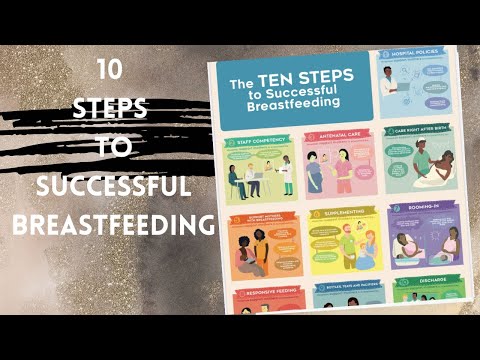
Breastfeeding is a natural process, but it can be challenging for many new mothers. According to the World Health Organization (WHO), approximately 43% of infants under six months are exclusively breastfed. Successful breastfeeding requires preparation, patience, and the right support. The ten steps to successful breastfeeding include preparing for breastfeeding during pregnancy, creating a birth plan that supports breastfeeding, and having a good latch. Additionally, frequent feeding, skin-to-skin contact, and expressing milk can help establish a strong milk supply. The American Academy of Pediatrics (AAP) recommends exclusive breastfeeding for the first six months, and continued breastfeeding as complementary foods are introduced, for up to two years or beyond. With the right mindset and support, mothers can overcome common challenges such as nipple soreness, engorgement, and low milk supply. By following these steps and seeking help when needed, mothers can provide their babies with the numerous benefits of breast milk, including optimal nutrition, immune system support, and a reduced risk of infections and diseases. As of 2022, the Centers for Disease Control and Prevention (CDC) reported that approximately 84% of newborns in the United States were breastfed, highlighting the growing trend towards breastfeeding. The influence of breastfeeding advocates, such as the La Leche League, has contributed to increased awareness and support for breastfeeding mothers. With a vibe score of 8, the topic of breastfeeding is highly energized, reflecting its importance in the health and wellness community.
👶 Introduction to Breastfeeding
Breastfeeding is a natural and essential part of motherhood and child development. The World Health Organization (WHO) recommends exclusive breastfeeding for the first six months of life, with continued breastfeeding along with solid foods until at least two years of age. Successful breastfeeding requires preparation, knowledge, and support. Expectant mothers can start by learning about the benefits of breast milk and how it can impact their baby's health and wellness. They can also explore breastfeeding positions and breastfeeding tips to ensure a smooth transition into motherhood.
🤝 Step 1: Prepare for Breastfeeding
Preparing for breastfeeding begins during pregnancy. Expectant mothers can take a breastfeeding class to learn about the basics of breastfeeding, including how to establish a good latch and how to recognize feeding cues. They can also invest in a good breast pump and nursing bra to make breastfeeding more comfortable and convenient. Additionally, they can talk to their healthcare provider about any concerns or questions they may have about breastfeeding. By being prepared, new mothers can feel more confident and empowered to breastfeed their babies.
📚 Step 2: Learn About Breastfeeding
Learning about breastfeeding is an essential step to successful breastfeeding. New mothers can learn about the different breastfeeding techniques, such as the football hold and the cradle hold. They can also learn about how to recognize and respond to their baby's hunger cues and how to establish a good latch. Furthermore, they can learn about the importance of skin-to-skin contact and how it can help with breastfeeding. By educating themselves, new mothers can overcome common breastfeeding challenges and achieve their breastfeeding goals.
👩👧 Step 3: Establish a Good Latch
Establishing a good latch is crucial for successful breastfeeding. A good latch occurs when the baby's mouth covers the entire areola and the nipple is far back in the baby's mouth. New mothers can achieve a good latch by making sure their baby is properly positioned and that their nipple is not too far back in the baby's mouth. They can also use a nipple shield if they are experiencing any difficulties with latching. Additionally, they can seek help from a lactation consultant if they are having trouble establishing a good latch. With a good latch, breastfeeding can be a comfortable and enjoyable experience for both the mother and the baby.
💡 Step 4: Recognize Feeding Cues
Recognizing feeding cues is an important part of breastfeeding. New mothers can learn to recognize their baby's hunger cues, such as rooting reflex and sucking reflex. They can also learn to recognize their baby's fullness cues, such as spitting up and falling asleep after feeding. By recognizing these cues, new mothers can ensure that their baby is getting enough milk and that they are not overfeeding or underfeeding their baby. Furthermore, they can use a breastfeeding app to track their baby's feedings and monitor their progress.
🕒 Step 5: Feed Frequently
Feeding frequently is essential for successful breastfeeding. New mothers can feed their baby on demand, which means feeding their baby whenever they show signs of hunger. They can also use a feeding schedule to ensure that their baby is getting enough milk throughout the day. Additionally, they can use a breast milk storage system to store their breast milk for later use. By feeding frequently, new mothers can establish a good milk supply and ensure that their baby is getting the nutrients they need to grow and thrive.
🤕 Step 6: Manage Common Challenges
Common breastfeeding challenges include nipple soreness, engorgement, and low milk supply. New mothers can overcome these challenges by using a nipple cream to soothe sore nipples, by expressing milk to relieve engorgement, and by drinking plenty of water to increase milk supply. They can also seek help from a lactation consultant if they are experiencing any difficulties with breastfeeding. Additionally, they can join a breastfeeding support group to connect with other breastfeeding mothers and get support and advice.
👫 Step 7: Seek Support
Seeking support is an essential part of successful breastfeeding. New mothers can seek help from a lactation consultant if they are experiencing any difficulties with breastfeeding. They can also join a breastfeeding support group to connect with other breastfeeding mothers and get support and advice. Additionally, they can talk to their healthcare provider about any concerns or questions they may have about breastfeeding. By seeking support, new mothers can overcome common breastfeeding challenges and achieve their breastfeeding goals.
📊 Step 8: Monitor Progress
Monitoring progress is an important part of breastfeeding. New mothers can track their baby's weight and growth to ensure that they are getting enough milk. They can also use a breastfeeding app to track their baby's feedings and monitor their progress. Additionally, they can keep a breastfeeding journal to record their baby's feedings and any challenges they may be experiencing. By monitoring progress, new mothers can identify any issues early on and make adjustments as needed to ensure that their baby is getting the nutrients they need to grow and thrive.
🎉 Step 10: Celebrate Successes
Celebrating successes is an important part of breastfeeding. New mothers can celebrate their breastfeeding milestones, such as reaching six months of exclusive breastfeeding. They can also celebrate their baby's growth and development, such as reaching new heights and weights. Additionally, they can connect with other breastfeeding mothers and share their experiences and advice. By celebrating successes, new mothers can stay motivated and inspired to continue breastfeeding and provide their baby with the best possible start in life.
Key Facts
- Year
- 2022
- Origin
- Vibepedia Health and Wellness Encyclopedia
- Category
- Health and Wellness
- Type
- Health Guide
Frequently Asked Questions
What are the benefits of breastfeeding?
Breastfeeding has numerous benefits for both the mother and the baby. For the baby, breast milk provides essential nutrients and antibodies that help protect against infections and diseases. For the mother, breastfeeding can help with weight loss, reduce the risk of breast cancer and ovarian cancer, and promote uterine contractions after childbirth.
How often should I feed my baby?
Newborn babies typically need to be fed every 2-3 hours, or 8-12 times in a 24-hour period. As the baby gets older, the frequency of feedings may decrease. It's essential to feed the baby on demand, which means feeding the baby whenever they show signs of hunger.
What are some common breastfeeding challenges?
Common breastfeeding challenges include nipple soreness, engorgement, and low milk supply. New mothers can overcome these challenges by using a nipple cream to soothe sore nipples, by expressing milk to relieve engorgement, and by drinking plenty of water to increase milk supply.
How can I increase my milk supply?
New mothers can increase their milk supply by drinking plenty of water, eating a balanced diet, and pumping breast milk regularly. They can also try galactagogues, which are foods and supplements that help increase milk production.
Can I breastfeed in public?
Yes, breastfeeding in public is allowed in many countries. New mothers can use a nursing cover to discreetly breastfeed their baby in public. They can also look for breastfeeding-friendly locations, such as restaurants and stores that have designated breastfeeding areas.
How long should I breastfeed my baby?
The World Health Organization (WHO) recommends exclusive breastfeeding for the first six months of life, with continued breastfeeding along with solid foods until at least two years of age. However, the duration of breastfeeding may vary depending on the individual needs and circumstances of the mother and the baby.
What are some breastfeeding-friendly products?
Breastfeeding-friendly products include nursing bras, breast pumps, and nursing covers. These products can help make breastfeeding more comfortable and convenient for new mothers.