
Contents
- 🌎 Introduction to Rare Diseases
- 📊 Definition and Prevalence
- 🔬 Orphan Diseases and Orphan Drugs
- 👥 Impact on Patients and Families
- 🏥 Diagnosis and Treatment Challenges
- 📈 Research and Funding
- 🌟 Rare Disease Advocacy
- 📊 Economic Burden
- 🌐 Global Response
- 🔮 Future Directions
- 📝 Conclusion
- Frequently Asked Questions
- Related Topics
Overview
Rare diseases, affecting approximately 3.5% of the global population, or around 263 million people worldwide, pose significant challenges in diagnosis and treatment due to their low prevalence and limited research. The rarity of these conditions often results in delayed or incorrect diagnoses, with patients sometimes waiting years to receive an accurate diagnosis. According to the National Institutes of Health (NIH), there are over 7,000 known rare diseases, with new ones being discovered regularly. The Orphan Drug Act of 1983 has been instrumental in incentivizing the development of treatments for rare diseases, with over 800 orphan drugs approved by the FDA since its enactment. Despite these efforts, significant disparities in access to care and treatment options persist, particularly in low-income and middle-income countries. As research continues to uncover the genetic and molecular underpinnings of rare diseases, there is growing hope for the development of more effective treatments and potentially even cures for these debilitating conditions.
🌎 Introduction to Rare Diseases
Rare diseases are a significant public health concern, affecting millions of people worldwide. According to the Rare Disease definition, a rare disease is any disease that affects a small percentage of the population. In the United States, a rare disease is defined as a condition that affects fewer than 200,000 people. The National Institutes of Health (NIH) estimates that there are over 6,800 rare diseases, and approximately 25 million people in the United States are affected by a rare disease. The World Health Organization (WHO) also recognizes the importance of addressing rare diseases, and has developed a number of initiatives to improve diagnosis, treatment, and care for people with rare diseases.
📊 Definition and Prevalence
The definition and prevalence of rare diseases vary depending on the country and region. In some parts of the world, the term orphan disease is used to describe a rare disease whose rarity results in little or no funding or research for treatments. The European Commission has established a definition of rare diseases, which includes conditions that affect no more than 5 in 10,000 people. The Centers for Disease Control and Prevention (CDC) also provides information on rare diseases, including their causes, symptoms, and treatment options.
🔬 Orphan Diseases and Orphan Drugs
Orphan diseases and orphan drugs are critical components of the rare disease landscape. Orphan drugs are medications that target orphan diseases, and are often developed with the support of government incentives and funding. The Food and Drug Administration (FDA) has a number of programs in place to support the development of orphan drugs, including the Orphan Drug Designation program. The National Organization for Rare Disorders (NORD) also provides information and resources on orphan diseases and orphan drugs, including a database of approved orphan drugs.
👥 Impact on Patients and Families
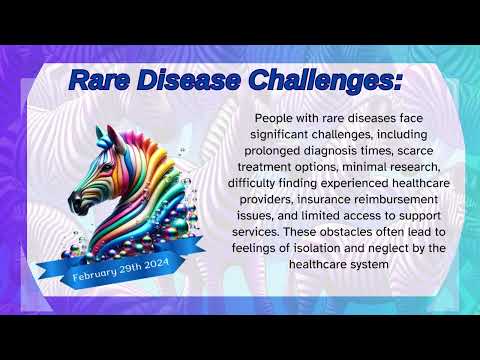
The impact of rare diseases on patients and families can be significant. People with rare diseases often face challenges in accessing diagnosis, treatment, and care, and may experience social and economic isolation. The RARE Disease Community is a network of organizations and individuals working to support people with rare diseases, and provides a range of resources and services, including online support groups and educational materials. The Genetic Alliance also provides information and resources on genetic disorders, including rare diseases.
🏥 Diagnosis and Treatment Challenges
Diagnosis and treatment of rare diseases can be challenging, due to the lack of awareness and understanding among healthcare professionals. The RARE Disease Diagnosis process can be complex and time-consuming, and may involve a range of tests and procedures. The National Institutes of Health (NIH) has established a number of programs to support the diagnosis and treatment of rare diseases, including the Undiagnosed Diseases Program. The RARE Disease Treatment options are often limited, and may involve off-label use of medications or participation in clinical trials.
📈 Research and Funding
Research and funding for rare diseases are critical to improving diagnosis, treatment, and care. The National Institutes of Health (NIH) is a major source of funding for rare disease research, and has established a number of programs to support research in this area. The RARE Disease Research community is also supported by a number of organizations, including the RARE Disease Research Institute. The Food and Drug Administration (FDA) also provides funding and support for rare disease research, including the Orphan Products Grants program.
🌟 Rare Disease Advocacy
Rare disease advocacy is critical to raising awareness and promoting action on rare diseases. The RARE Disease Advocacy community is a network of organizations and individuals working to promote awareness and understanding of rare diseases, and to advocate for the needs of people with rare diseases. The National Organization for Rare Disorders (NORD) is a leading advocate for rare disease patients, and provides a range of resources and services, including advocacy training and support. The RARE Disease Day is also an important event, which takes place on the last day of February each year.
📊 Economic Burden
The economic burden of rare diseases can be significant, both for individuals and for society as a whole. The RARE Disease Economic Burden includes the costs of diagnosis, treatment, and care, as well as the indirect costs of lost productivity and social isolation. The National Institutes of Health (NIH) has estimated that the economic burden of rare diseases in the United States is over $1 trillion per year. The RARE Disease Policy initiatives are also critical to addressing the economic burden of rare diseases, and may include measures such as tax credits and funding for research and treatment.
🌐 Global Response
The global response to rare diseases is critical to improving diagnosis, treatment, and care. The World Health Organization (WHO) has developed a number of initiatives to address rare diseases, including the Rare Diseases programme. The International Rare Disease Research Consortium (IRDiRC) is also a key player in the global response to rare diseases, and aims to develop new treatments and cures for rare diseases. The RARE Disease Global Advocacy community is also working to promote awareness and understanding of rare diseases, and to advocate for the needs of people with rare diseases.
🔮 Future Directions
The future directions for rare disease research and treatment are promising, with a number of new technologies and approaches being developed. The RARE Disease Genomics is a key area of research, and involves the use of genomic technologies to diagnose and treat rare diseases. The RARE Disease Gene Therapy is also a promising area of research, and involves the use of gene therapy to treat rare diseases. The RARE Disease Stem Cell Therapy is also being explored as a potential treatment option for rare diseases.
📝 Conclusion
In conclusion, rare diseases are a significant public health concern, affecting millions of people worldwide. The RARE Disease Community is working to promote awareness and understanding of rare diseases, and to advocate for the needs of people with rare diseases. The RARE Disease Research community is also critical to improving diagnosis, treatment, and care, and is supported by a number of organizations and initiatives.
Key Facts
- Year
- 2022
- Origin
- Global, with varying prevalence rates across different regions and populations
- Category
- Health and Medicine
- Type
- Medical Condition
Frequently Asked Questions
What is a rare disease?
A rare disease is any disease that affects a small percentage of the population. In the United States, a rare disease is defined as a condition that affects fewer than 200,000 people. The Rare Disease definition varies depending on the country and region, but is generally considered to be a condition that affects a small percentage of the population.
What is an orphan disease?
An orphan disease is a rare disease whose rarity results in little or no funding or research for treatments. The Orphan Disease definition is often used to describe conditions that affect a very small percentage of the population, and may not have a commercial market for treatments.
What is an orphan drug?
An orphan drug is a medication that targets an orphan disease. The Orphan Drug definition includes medications that are developed to treat rare diseases, and may be eligible for special funding and incentives.
How many people are affected by rare diseases?
According to the National Institutes of Health (NIH), approximately 25 million people in the United States are affected by a rare disease. The World Health Organization (WHO) estimates that there are over 300 million people worldwide who are affected by a rare disease.
What are the challenges of diagnosing and treating rare diseases?
The diagnosis and treatment of rare diseases can be challenging, due to the lack of awareness and understanding among healthcare professionals. The RARE Disease Diagnosis process can be complex and time-consuming, and may involve a range of tests and procedures. The RARE Disease Treatment options are often limited, and may involve off-label use of medications or participation in clinical trials.
What is being done to address the challenges of rare diseases?
A number of organizations and initiatives are working to address the challenges of rare diseases, including the National Institutes of Health (NIH), the World Health Organization (WHO), and the RARE Disease Community. These organizations are working to promote awareness and understanding of rare diseases, and to advocate for the needs of people with rare diseases.
What is the future of rare disease research and treatment?
The future of rare disease research and treatment is promising, with a number of new technologies and approaches being developed. The RARE Disease Genomics is a key area of research, and involves the use of genomic technologies to diagnose and treat rare diseases. The RARE Disease Gene Therapy is also a promising area of research, and involves the use of gene therapy to treat rare diseases.