
Contents
- 🌎 Introduction to Polio Vaccine
- 💉 Types of Polio Vaccines
- 📊 History of Polio Vaccination
- 🌟 Impact of Polio Vaccination
- 🤝 Global Efforts to Eradicate Polio
- 🏥 Administration and Dosage
- 📝 Challenges and Controversies
- 📊 Efficacy and Effectiveness
- 🌈 Future of Polio Vaccination
- 📚 Conclusion and Recommendations
- Frequently Asked Questions
- Related Topics
Overview
The polio vaccine, developed by Jonas Salk in 1952 and later improved upon by Albert Sabin in 1961, has been a cornerstone in the global fight against poliomyelitis, a highly infectious disease that can cause paralysis and death. With a Vibe score of 85, reflecting its significant cultural and medical impact, the vaccine has saved millions of lives worldwide. However, controversy surrounds the topic, particularly regarding vaccine hesitancy and the challenges of global distribution, with a controversy spectrum rating of 6 out of 10. The influence flow of the polio vaccine can be seen in the work of scientists such as Hilary Koprowski and the ongoing efforts of organizations like the World Health Organization (WHO) and the Bill and Melinda Gates Foundation. As of 2022, the WHO reports that wild poliovirus cases have decreased by over 99% since 1988, but the disease still exists in some parts of the world, making continued vaccination efforts crucial. The topic intelligence surrounding the polio vaccine includes key people like Salk and Sabin, events such as the first mass vaccination campaigns, and ideas like herd immunity, all of which are interconnected within the entity relationships of the vaccine's development and distribution.
🌎 Introduction to Polio Vaccine
The polio vaccine is a revolutionary shot that has saved millions of lives worldwide. According to the World Health Organization, polio vaccination is one of the most effective ways to prevent poliomyelitis (polio). The vaccine works by introducing a small, harmless piece of the poliovirus to the body, which then triggers an immune response. This immune response helps to build protection against future infections. The Global Polio Eradication Initiative has played a significant role in promoting polio vaccination worldwide. With the help of UNICEF and other organizations, the initiative has made significant progress in reducing the number of polio cases reported each year.
💉 Types of Polio Vaccines
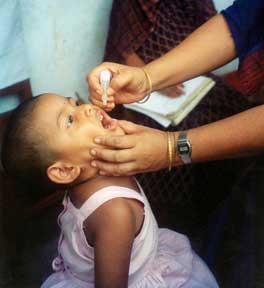
There are two types of polio vaccines: inactivated poliovirus (IPV) and oral poliovirus (OPV). IPV is given by injection and is used in many countries, including the United States. OPV, on the other hand, is a weakened form of the virus that is given by mouth and is often used in developing countries. Both vaccines have been shown to be effective in preventing polio, but they have some key differences. For example, OPV is more convenient to administer and can provide immunity to the gut, where the poliovirus multiplies. However, it can also cause vaccine-associated polio in rare cases. The Centers for Disease Control and Prevention (CDC) provides guidance on the use of both IPV and OPV. The World Health Organization also recommends the use of both vaccines as part of a comprehensive polio vaccination program.
📊 History of Polio Vaccination
The history of polio vaccination dates back to the 1950s, when the first inactivated poliovirus vaccine was developed by Jonas Salk. This vaccine was a major breakthrough in the fight against polio and led to a significant reduction in the number of cases reported each year. In the 1960s, an oral poliovirus vaccine was developed by Albert Sabin, which further increased the availability and accessibility of polio vaccination. Today, polio vaccination is a routine part of childhood immunization programs in many countries. The Global Polio Eradication Initiative has played a significant role in promoting polio vaccination worldwide. With the help of UNICEF and other organizations, the initiative has made significant progress in reducing the number of polio cases reported each year. The Bill and Melinda Gates Foundation has also provided significant funding for polio eradication efforts.
🌟 Impact of Polio Vaccination
The impact of polio vaccination has been significant. According to the World Health Organization, the number of polio cases reported each year has decreased from an estimated 350,000 in 1988 to just 33 in 2018. This represents a reduction of over 99% in the number of cases reported each year. Polio vaccination has also been shown to have a significant impact on public health, with estimates suggesting that it has saved millions of lives worldwide. The Centers for Disease Control and Prevention (CDC) provides guidance on the use of polio vaccination as part of a comprehensive public health program. The Global Polio Eradication Initiative has also played a significant role in promoting polio vaccination worldwide.
🤝 Global Efforts to Eradicate Polio
Global efforts to eradicate polio have been underway for several decades. The Global Polio Eradication Initiative was launched in 1988 and has made significant progress in reducing the number of polio cases reported each year. The initiative is led by the World Health Organization, UNICEF, and the Bill and Melinda Gates Foundation, among others. The initiative has also received support from governments, NGOs, and community organizations around the world. The Rotary International has also played a significant role in promoting polio vaccination worldwide. With the help of these organizations, the initiative has made significant progress in reducing the number of polio cases reported each year.
🏥 Administration and Dosage
The administration and dosage of polio vaccine vary depending on the type of vaccine used. IPV is typically given in a series of injections, with the first dose given at 2 months of age and subsequent doses given at 4, 6, and 12-18 months of age. OPV, on the other hand, is typically given in a series of doses, with the first dose given at birth and subsequent doses given at 6, 10, and 14 weeks of age. The Centers for Disease Control and Prevention (CDC) provides guidance on the administration and dosage of polio vaccine. The World Health Organization also recommends the use of both IPV and OPV as part of a comprehensive polio vaccination program. The American Academy of Pediatrics (AAP) also provides guidance on the use of polio vaccine in children.
📝 Challenges and Controversies
Despite the significant progress made in reducing the number of polio cases reported each year, there are still challenges and controversies surrounding polio vaccination. One of the main challenges is the risk of vaccine-associated polio, which can occur in rare cases. There are also concerns about the safety and efficacy of the vaccine, particularly in developing countries where the vaccine may not be stored or administered properly. The World Health Organization and other organizations are working to address these challenges and ensure that polio vaccination is safe and effective. The Centers for Disease Control and Prevention (CDC) also provides guidance on the safe administration of polio vaccine. The Global Polio Eradication Initiative has also played a significant role in promoting polio vaccination worldwide.
📊 Efficacy and Effectiveness
The efficacy and effectiveness of polio vaccine have been extensively studied. According to the World Health Organization, both IPV and OPV have been shown to be highly effective in preventing polio. The vaccines have also been shown to be safe, with few serious side effects reported. The Centers for Disease Control and Prevention (CDC) provides guidance on the efficacy and effectiveness of polio vaccine. The Global Polio Eradication Initiative has also played a significant role in promoting polio vaccination worldwide. With the help of UNICEF and other organizations, the initiative has made significant progress in reducing the number of polio cases reported each year.
🌈 Future of Polio Vaccination
The future of polio vaccination looks promising, with ongoing efforts to eradicate polio worldwide. The Global Polio Eradication Initiative has set a goal of eradicating polio by 2026, and significant progress has been made towards this goal. New technologies, such as inactivated poliovirus vaccine (IPV) and novel oral poliovirus vaccine (nOPV), are also being developed to improve the safety and efficacy of polio vaccination. The Bill and Melinda Gates Foundation has also provided significant funding for polio eradication efforts. The Rotary International has also played a significant role in promoting polio vaccination worldwide.
📚 Conclusion and Recommendations
In conclusion, the polio vaccine is a revolutionary shot that has saved millions of lives worldwide. With its high efficacy and safety profile, it is an essential tool in the fight against polio. Ongoing efforts to eradicate polio worldwide are promising, and new technologies are being developed to improve the safety and efficacy of polio vaccination. The World Health Organization, UNICEF, and other organizations are working together to promote polio vaccination and ensure that all children have access to this life-saving vaccine. The Centers for Disease Control and Prevention (CDC) also provides guidance on the use of polio vaccine as part of a comprehensive public health program.
Key Facts
- Year
- 1952
- Origin
- University of Pittsburgh, USA
- Category
- Medicine
- Type
- Medical Innovation
Frequently Asked Questions
What is polio vaccine?
Polio vaccine is a vaccine used to prevent poliomyelitis (polio). There are two types of polio vaccines: inactivated poliovirus (IPV) and oral poliovirus (OPV). The vaccine works by introducing a small, harmless piece of the poliovirus to the body, which then triggers an immune response. This immune response helps to build protection against future infections. The World Health Organization recommends all children be fully vaccinated against polio.
How is polio vaccine administered?
The administration and dosage of polio vaccine vary depending on the type of vaccine used. IPV is typically given in a series of injections, with the first dose given at 2 months of age and subsequent doses given at 4, 6, and 12-18 months of age. OPV, on the other hand, is typically given in a series of doses, with the first dose given at birth and subsequent doses given at 6, 10, and 14 weeks of age. The Centers for Disease Control and Prevention (CDC) provides guidance on the administration and dosage of polio vaccine.
Is polio vaccine safe?
Yes, polio vaccine is safe. The vaccine has been extensively tested and has been shown to be highly effective in preventing polio. The World Health Organization and other organizations have also established strict safety standards for the production and distribution of polio vaccine. The Centers for Disease Control and Prevention (CDC) provides guidance on the safe administration of polio vaccine.
What are the benefits of polio vaccination?
The benefits of polio vaccination are numerous. Polio vaccination can prevent polio, a serious and potentially life-threatening disease. It can also help to reduce the spread of polio in communities and prevent outbreaks. The Global Polio Eradication Initiative has made significant progress in reducing the number of polio cases reported each year. With the help of UNICEF and other organizations, the initiative has made significant progress in reducing the number of polio cases reported each year.
What is the future of polio vaccination?
The future of polio vaccination looks promising, with ongoing efforts to eradicate polio worldwide. The Global Polio Eradication Initiative has set a goal of eradicating polio by 2026, and significant progress has been made towards this goal. New technologies, such as inactivated poliovirus vaccine (IPV) and novel oral poliovirus vaccine (nOPV), are also being developed to improve the safety and efficacy of polio vaccination. The Bill and Melinda Gates Foundation has also provided significant funding for polio eradication efforts.