
Contents
- 🔬 Introduction to Laboratory Distillation
- 📚 History of Distillation
- 🔍 Principles of Distillation
- 🧬 Types of Laboratory Distillation
- 🎯 Applications of Laboratory Distillation
- 🚨 Safety Considerations in Laboratory Distillation
- 📊 Instrumentation and Equipment
- 👩🔬 Techniques for Optimizing Distillation
- 📈 Troubleshooting Common Distillation Issues
- 🔜 Future Developments in Laboratory Distillation
- 📚 Conclusion and Further Reading
- Frequently Asked Questions
- Related Topics
Overview
Laboratory distillation is a crucial process in chemistry, allowing scientists to separate mixtures into their individual components with high precision and accuracy. This technique has been refined over centuries, with key figures like Antoine Lavoisier and Robert Boyle contributing to its development. The process involves heating a mixture to produce vapor, which is then condensed and collected, resulting in a purified substance. With a vibe score of 8, laboratory distillation is a widely used and respected method in various fields, including pharmaceuticals, biotechnology, and environmental science. However, it also raises concerns about energy consumption, equipment costs, and the potential for contamination. As technology advances, new methods like microdistillation and vacuum distillation are emerging, offering improved efficiency and reduced environmental impact. The controversy spectrum for laboratory distillation is moderate, with debates surrounding its applications, limitations, and future directions.
🔬 Introduction to Laboratory Distillation
Laboratory distillation is a crucial technique in Chemistry for the purification and separation of mixtures. It involves the separation of components based on their boiling points, allowing for the isolation of pure substances. Distillation has been used for centuries, with early civilizations using it to produce Alcohol and other spirits. Today, laboratory distillation is an essential tool in various fields, including Pharmaceuticals, Petrochemistry, and Environmental Science. The process of distillation can be used to separate a wide range of substances, from simple Organic Compounds to complex Biomolecules.
📚 History of Distillation
The history of distillation dates back to ancient civilizations, with evidence of distillation found in Ancient Egypt and Ancient Greece. The earliest known distillation apparatus was the Alembic, which was used to produce perfumes and other fragrances. Over time, the design of the distillation apparatus has evolved, with the development of more efficient and effective equipment. Today, laboratory distillation is a sophisticated technique that relies on advanced Instrumentation and Equipment. The study of distillation has also led to a deeper understanding of Thermodynamics and Physical Chemistry.
🔍 Principles of Distillation
The principles of distillation are based on the concept of Vapor Pressure and the differences in boiling points between substances. When a mixture is heated, the components with lower boiling points will vaporize first, allowing for their separation from the remaining components. The process of distillation can be influenced by various factors, including Temperature, Pressure, and the presence of Impurities. Understanding these principles is essential for optimizing the distillation process and achieving high-purity products. The principles of distillation are also closely related to Phase Equilibrium and Mass Transfer.
🧬 Types of Laboratory Distillation
There are several types of laboratory distillation, including Simple Distillation, Fractional Distillation, and Vacuum Distillation. Each type of distillation has its own unique characteristics and applications. Simple distillation is commonly used for the purification of simple mixtures, while fractional distillation is used for the separation of complex mixtures. Vacuum distillation is used for the purification of substances with high boiling points or for the separation of mixtures that are sensitive to heat. The choice of distillation method depends on the specific requirements of the application and the properties of the substances being separated. Gas Chromatography and Liquid Chromatography are also related techniques that are used for the separation and analysis of mixtures.
🎯 Applications of Laboratory Distillation
Laboratory distillation has a wide range of applications in various fields, including Pharmaceuticals, Petrochemistry, and Environmental Science. It is used for the purification of Drugs, Fuels, and other chemicals. Distillation is also used for the separation of Isotopes and the purification of Water and other solvents. The technique is essential for the production of high-purity substances and for the analysis of complex mixtures. Analytical Chemistry and Organic Chemistry are also closely related fields that rely on laboratory distillation. The applications of distillation are diverse and continue to expand as new technologies and techniques are developed.
🚨 Safety Considerations in Laboratory Distillation
Safety considerations are essential in laboratory distillation, as the process involves the use of heat, flammable substances, and hazardous chemicals. It is essential to follow proper safety protocols, including the use of Personal Protective Equipment and the implementation of emergency procedures. The handling of Flammable Liquids and Corrosive Substances requires special care, and the use of Ventilation systems is crucial for preventing the accumulation of hazardous vapors. The risk of Explosion and Fire is also a concern, and measures must be taken to prevent these hazards. Laboratory Safety is a critical aspect of laboratory distillation, and it is essential to be aware of the potential risks and take steps to mitigate them.
📊 Instrumentation and Equipment
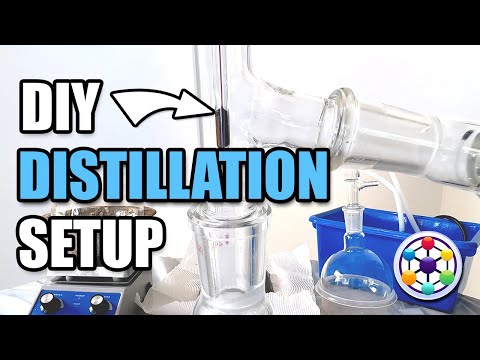
The instrumentation and equipment used in laboratory distillation are critical for the success of the process. The choice of Distillation Apparatus depends on the specific requirements of the application and the properties of the substances being separated. Thermometers, Barometers, and Condensers are essential components of the distillation apparatus. The use of Automated Systems and Computer Control can also improve the efficiency and accuracy of the distillation process. Chromatography and Spectroscopy are also related techniques that are used for the analysis of the distillation products. The development of new instrumentation and equipment continues to advance the field of laboratory distillation.
👩🔬 Techniques for Optimizing Distillation
Techniques for optimizing distillation include the use of Reflux, Distillation Columns, and Packing Materials. The choice of distillation technique depends on the specific requirements of the application and the properties of the substances being separated. The optimization of distillation conditions, including Temperature and Pressure, is also crucial for achieving high-purity products. Process Control and Optimization techniques can be used to improve the efficiency and accuracy of the distillation process. The use of Statistical Methods and Machine Learning can also help to optimize the distillation process and predict the properties of the distillation products.
📈 Troubleshooting Common Distillation Issues
Troubleshooting common distillation issues is essential for the success of the process. Common problems include Foaming, Flooding, and Channeling. The identification of the root cause of the problem is critical for implementing effective solutions. The use of Troubleshooting Guides and Maintenance Procedures can help to prevent and resolve common distillation issues. The development of new technologies and techniques continues to advance the field of laboratory distillation and improve the efficiency and accuracy of the process. Quality Control and Quality Assurance are also critical aspects of laboratory distillation, and they require the implementation of rigorous testing and validation procedures.
🔜 Future Developments in Laboratory Distillation
Future developments in laboratory distillation are expected to focus on the development of new technologies and techniques that improve the efficiency, accuracy, and safety of the process. The use of Micro-Distillation and Nano-Distillation techniques is expected to become more widespread, and the development of new Materials and Equipment will continue to advance the field. The integration of laboratory distillation with other techniques, such as Chromatography and Spectroscopy, is also expected to become more common. The development of new Software and Hardware will also continue to improve the efficiency and accuracy of the distillation process. Artificial Intelligence and Machine Learning are also expected to play a major role in the future of laboratory distillation.
📚 Conclusion and Further Reading
In conclusion, laboratory distillation is a powerful technique that has a wide range of applications in various fields. The principles of distillation are based on the concept of Vapor Pressure and the differences in boiling points between substances. The choice of distillation method depends on the specific requirements of the application and the properties of the substances being separated. The development of new technologies and techniques continues to advance the field of laboratory distillation, and the integration of distillation with other techniques is expected to become more common. For further reading, please refer to Distillation, Chemistry, and Laboratory Techniques.
Key Facts
- Year
- 1970
- Origin
- Ancient Greece, with modern developments in 19th-century Europe
- Category
- Chemistry
- Type
- Scientific Technique
Frequently Asked Questions
What is laboratory distillation?
Laboratory distillation is a technique used for the purification and separation of mixtures based on their boiling points. It involves the separation of components based on their vapor pressures, allowing for the isolation of pure substances. Laboratory distillation is an essential tool in various fields, including Pharmaceuticals, Petrochemistry, and Environmental Science. The technique is used for the purification of Drugs, Fuels, and other chemicals. For more information, please refer to Distillation.
What are the principles of distillation?
The principles of distillation are based on the concept of Vapor Pressure and the differences in boiling points between substances. When a mixture is heated, the components with lower boiling points will vaporize first, allowing for their separation from the remaining components. The process of distillation can be influenced by various factors, including Temperature, Pressure, and the presence of Impurities. Understanding these principles is essential for optimizing the distillation process and achieving high-purity products. For more information, please refer to Thermodynamics and Physical Chemistry.
What are the types of laboratory distillation?
There are several types of laboratory distillation, including Simple Distillation, Fractional Distillation, and Vacuum Distillation. Each type of distillation has its own unique characteristics and applications. Simple distillation is commonly used for the purification of simple mixtures, while fractional distillation is used for the separation of complex mixtures. Vacuum distillation is used for the purification of substances with high boiling points or for the separation of mixtures that are sensitive to heat. For more information, please refer to Distillation.
What are the applications of laboratory distillation?
Laboratory distillation has a wide range of applications in various fields, including Pharmaceuticals, Petrochemistry, and Environmental Science. It is used for the purification of Drugs, Fuels, and other chemicals. Distillation is also used for the separation of Isotopes and the purification of Water and other solvents. The technique is essential for the production of high-purity substances and for the analysis of complex mixtures. For more information, please refer to Analytical Chemistry and Organic Chemistry.
What are the safety considerations in laboratory distillation?
Safety considerations are essential in laboratory distillation, as the process involves the use of heat, flammable substances, and hazardous chemicals. It is essential to follow proper safety protocols, including the use of Personal Protective Equipment and the implementation of emergency procedures. The handling of Flammable Liquids and Corrosive Substances requires special care, and the use of Ventilation systems is crucial for preventing the accumulation of hazardous vapors. For more information, please refer to Laboratory Safety.
What is the future of laboratory distillation?
Future developments in laboratory distillation are expected to focus on the development of new technologies and techniques that improve the efficiency, accuracy, and safety of the process. The use of Micro-Distillation and Nano-Distillation techniques is expected to become more widespread, and the development of new Materials and Equipment will continue to advance the field. The integration of laboratory distillation with other techniques, such as Chromatography and Spectroscopy, is also expected to become more common. For more information, please refer to Distillation.
How does laboratory distillation relate to other techniques?
Laboratory distillation is closely related to other techniques, such as Chromatography and Spectroscopy. These techniques are often used in conjunction with distillation to analyze and separate complex mixtures. The integration of laboratory distillation with other techniques is expected to become more common, and the development of new Software and Hardware will continue to improve the efficiency and accuracy of the distillation process. For more information, please refer to Analytical Chemistry and Organic Chemistry.