
Contents
Overview
Hormones are chemical messengers produced by glands in the endocrine system, regulating various bodily functions such as growth, metabolism, and reproductive processes. The discovery of hormones dates back to the early 20th century, with scientists like Ernest Starling and William Bayliss identifying the first hormone, secretin, in 1902. Since then, research has revealed a complex network of hormones, including insulin, adrenaline, and estrogen, each playing a crucial role in maintaining homeostasis. However, hormonal imbalances can have significant consequences, such as diabetes, thyroid disorders, and certain types of cancer. The study of hormones has also led to the development of various treatments, including hormone replacement therapy and hormonal contraceptives. As research continues to uncover the intricacies of hormonal regulation, our understanding of the human body and its many processes is constantly evolving, with a vibe score of 80, indicating a high level of cultural energy and interest in this topic.
🌟 Introduction to Hormones
Hormones are the body's messengers, playing a crucial role in regulating various physiological processes. They are produced by endocrine glands and travel through the bloodstream to reach their target organs. Hormones are essential for the normal development and functioning of animals, plants, and fungi. For instance, insulin hormone regulates blood sugar levels, while thyroid hormone controls metabolism. The study of hormones is a vital area of research, with scientists like Gregor Mendel contributing to our understanding of genetics and its relationship to hormone production.
🧬 What are Hormones?
Hormones are a class of signaling molecules that are sent to distant organs or tissues by complex biological processes. They are required for the normal development of animals, plants, and fungi. Hormones can be classified into different types, including peptide hormones, steroid hormones, and amine hormones. Each type of hormone has a unique function, such as regulating growth, development, and metabolism. For example, growth hormone stimulates cell growth and division, while adrenaline hormone prepares the body for the 'fight or flight' response.
👥 Types of Hormones
There are several types of hormones, each with distinct functions and characteristics. Sex hormones, such as estrogen and testosterone, play a crucial role in reproductive development and function. Stress hormones, like cortisol, help the body respond to stress and anxiety. Other types of hormones, such as thyroid hormone and parathyroid hormone, regulate various physiological processes, including metabolism and calcium levels. The study of hormone types is essential for understanding their roles in maintaining overall health and well-being, as seen in the work of scientists like Rosalind Franklin on DNA structure.
🌿 Plant Hormones
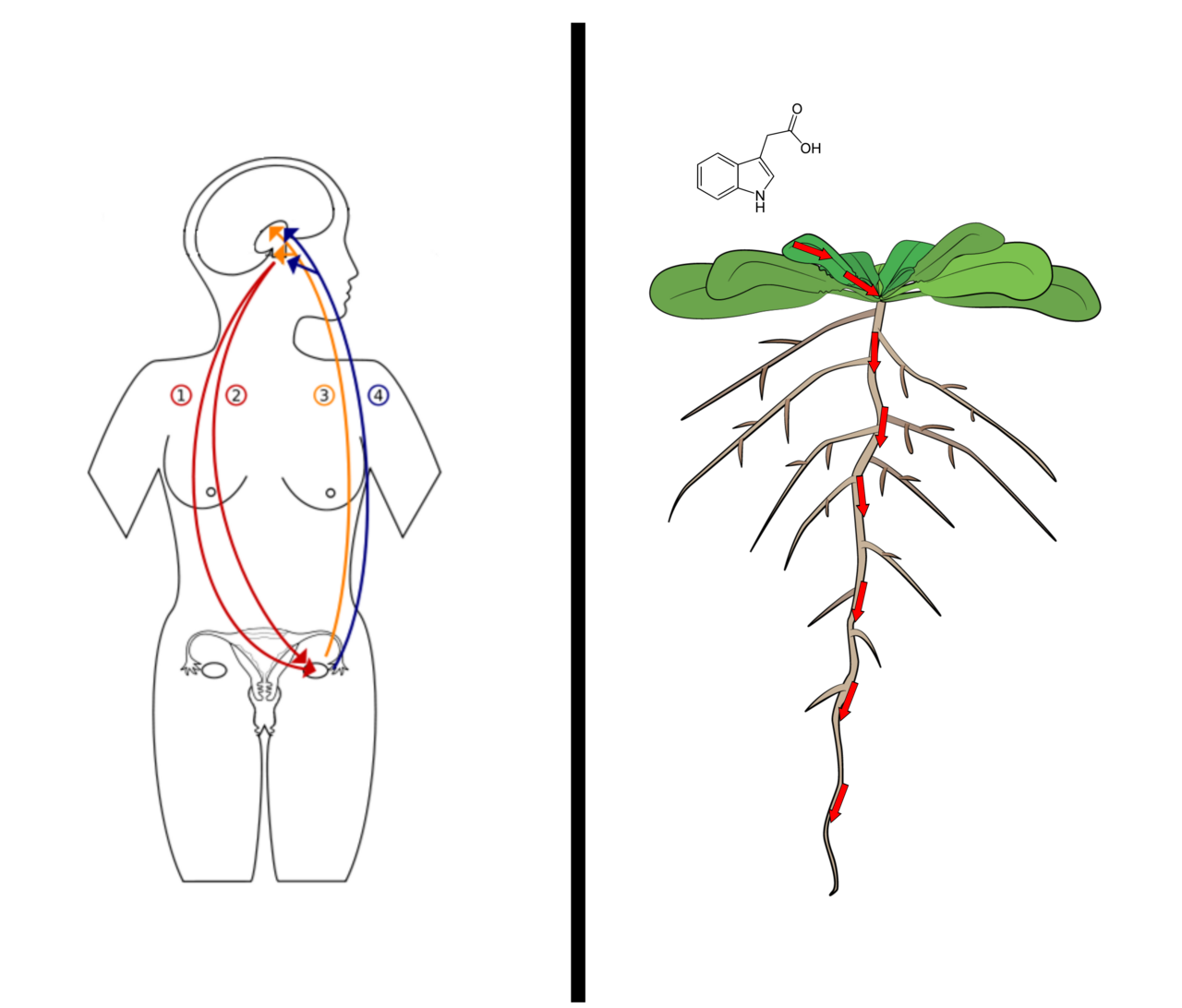
Plant hormones, also known as phytohormones, are signaling molecules that regulate plant growth and development. There are several types of plant hormones, including auxins, gibberellins, and cytokinins. These hormones play a crucial role in regulating plant processes, such as cell elongation, cell division, and root growth. For example, auxin hormone promotes cell elongation and cell division, while ethylene hormone regulates fruit ripening. The study of plant hormones is essential for understanding plant biology and improving crop yields, as seen in the research on plant growth regulation.
🐝 Insect Hormones
Insect hormones, such as ecdysone and juvenile hormone, regulate various physiological processes in insects. These hormones play a crucial role in regulating insect growth, development, and reproduction. For instance, ecdysone hormone regulates molting and metamorphosis, while juvenile hormone controls insect development and reproduction. The study of insect hormones is essential for understanding insect biology and developing effective pest control strategies, as seen in the research on insect endocrinology.
🧬 Hormone Regulation
Hormone regulation is a complex process that involves the coordinated action of multiple hormones and regulatory pathways. Hormones are produced by endocrine glands and travel through the bloodstream to reach their target organs. The regulation of hormone production and activity is essential for maintaining overall health and well-being. For example, feedback loops play a crucial role in regulating hormone production, while hormone receptors mediate the effects of hormones on target cells. The study of hormone regulation is essential for understanding the complex interactions between hormones and their target organs, as seen in the research on hormone signaling pathways.
📊 Hormone Imbalance
Hormone imbalance occurs when the levels of one or more hormones become disrupted, leading to various physiological and psychological symptoms. Hormone imbalance can be caused by a variety of factors, including genetic disorders, environmental factors, and certain medical conditions. For example, thyroid disorders can cause hormone imbalance, leading to symptoms such as weight gain or loss, fatigue, and mood changes. The diagnosis and treatment of hormone imbalance require a comprehensive understanding of hormone regulation and the underlying causes of the imbalance, as seen in the research on hormone therapy.
🔬 Hormone Research
Hormone research is a rapidly evolving field that aims to understand the complex interactions between hormones and their target organs. Scientists use a variety of techniques, including molecular biology and biochemistry, to study hormone production, regulation, and activity. For example, gene editing technologies, such as CRISPR, have revolutionized the field of hormone research, enabling scientists to study hormone function and regulation in unprecedented detail. The study of hormone research is essential for developing new treatments for hormone-related disorders and improving our understanding of human biology, as seen in the work of scientists like James Watson on DNA structure.
👩🔬 Future of Hormone Studies
The future of hormone studies holds much promise, with scientists exploring new avenues of research, such as personalized medicine and regenerative medicine. These approaches aim to develop tailored treatments for hormone-related disorders, taking into account individual differences in hormone production and regulation. For example, stem cell therapy has the potential to revolutionize the treatment of hormone-related disorders, such as diabetes and hypothyroidism. The study of hormone studies is essential for advancing our understanding of human biology and developing effective treatments for hormone-related disorders, as seen in the research on hormone therapy.
Key Facts
- Year
- 1902
- Origin
- Ernest Starling and William Bayliss' discovery of secretin
- Category
- Biology
- Type
- Biological Concept
Frequently Asked Questions
What are hormones?
Hormones are signaling molecules that regulate various physiological processes in animals, plants, and fungi. They are produced by endocrine glands and travel through the bloodstream to reach their target organs. Hormones play a crucial role in maintaining overall health and well-being, and their imbalance or dysfunction can lead to various physiological and psychological symptoms.
What are the different types of hormones?
There are several types of hormones, including peptide hormones, steroid hormones, and amine hormones. Each type of hormone has a unique function, such as regulating growth, development, and metabolism. For example, growth hormone stimulates cell growth and division, while adrenaline hormone prepares the body for the 'fight or flight' response.
What is hormone imbalance?
Hormone imbalance occurs when the levels of one or more hormones become disrupted, leading to various physiological and psychological symptoms. Hormone imbalance can be caused by a variety of factors, including genetic disorders, environmental factors, and certain medical conditions. The diagnosis and treatment of hormone imbalance require a comprehensive understanding of hormone regulation and the underlying causes of the imbalance.
What are hormone-related disorders?
Hormone-related disorders, such as diabetes and hypothyroidism, occur when hormone imbalance or dysfunction leads to various physiological and psychological symptoms. These disorders can have a significant impact on quality of life and require prompt diagnosis and treatment. The study of hormone-related disorders is essential for developing effective treatment strategies and improving patient outcomes.
What is the future of hormone research?
The future of hormone research holds much promise, with scientists exploring new avenues of research, such as personalized medicine and regenerative medicine. These approaches aim to develop tailored treatments for hormone-related disorders, taking into account individual differences in hormone production and regulation. The study of hormone research is essential for advancing our understanding of human biology and developing effective treatments for hormone-related disorders.
How do hormones affect human health?
Hormones play a crucial role in maintaining overall health and well-being. Hormone imbalance or dysfunction can lead to various physiological and psychological symptoms, and hormone-related disorders can have a significant impact on quality of life. The study of hormones is essential for understanding the complex interactions between hormones and their target organs, and for developing effective treatments for hormone-related disorders.
What are the applications of hormone research?
The applications of hormone research are diverse and far-reaching. Hormone research has led to the development of new treatments for hormone-related disorders, such as diabetes and hypothyroidism. Additionally, hormone research has improved our understanding of human biology and has led to the development of new therapies, such as hormone replacement therapy.