
Contents
- 🌎 Introduction to Breastfeeding Statistics
- 📊 Global Breastfeeding Rates
- 🤝 Benefits of Breastfeeding
- 📈 Breastfeeding Trends Over Time
- 🌍 Regional Breastfeeding Disparities
- 🏥 Breastfeeding in Healthcare Settings
- 👩👧 Breastfeeding Support and Education
- 📊 Breastfeeding and Economic Impact
- 🌟 Breastfeeding Advocacy and Awareness
- 🌎 Conclusion and Future Directions
- Frequently Asked Questions
- Related Topics
Overview
Breastfeeding statistics reveal a complex landscape of global health, with approximately 43% of infants under six months being exclusively breastfed, according to the World Health Organization (WHO). The United States boasts a 25.6% exclusive breastfeeding rate at six months, as reported by the Centers for Disease Control and Prevention (CDC) in 2020. Notably, a study published in The Lancet found that scaling up breastfeeding could prevent 823,000 annual deaths in children under five and 20,000 annual deaths from breast cancer. The American Academy of Pediatrics (AAP) recommends exclusive breastfeeding for the first six months, citing benefits such as lower risks of respiratory tract infections, diarrhea, and ear infections. However, breastfeeding rates vary significantly across different demographics, with a 2019 survey by the National Center for Health Statistics indicating that non-Hispanic black infants have the lowest breastfeeding initiation rates at 73.4%. As the global community continues to grapple with the challenges of promoting breastfeeding, it's essential to examine the intersection of cultural, socioeconomic, and environmental factors influencing these statistics. By doing so, we can work towards creating a more supportive environment for breastfeeding mothers and, ultimately, improving the health outcomes of future generations.
🌎 Introduction to Breastfeeding Statistics
The importance of breastfeeding cannot be overstated, with numerous benefits for both mothers and babies. According to the World Health Organization, breastfeeding is one of the most effective ways to improve child health and survival. In this article, we will delve into the world of breastfeeding statistics, exploring global rates, trends, and disparities. We will also examine the benefits of breastfeeding, including its impact on infant mortality and maternal health. Furthermore, we will discuss the role of breastfeeding support and education in promoting successful breastfeeding experiences.
📊 Global Breastfeeding Rates
Globally, breastfeeding rates vary significantly from one region to another. According to a report by UNICEF, in 2020, the global breastfeeding rate was approximately 43%. However, this number masks significant regional disparities, with some countries achieving much higher rates. For example, in Norway, the breastfeeding rate is over 90%, while in India, it is around 55%. Understanding these disparities is crucial for developing targeted interventions to improve breastfeeding rates. Additionally, research has shown that breastfeeding can have a significant impact on child development and cognitive function.
🤝 Benefits of Breastfeeding
The benefits of breastfeeding are numerous and well-documented. Breast milk provides essential nutrients and antibodies that help protect babies from infectious diseases and allergies. Moreover, breastfeeding has been shown to reduce the risk of SIDS and obesity later in life. For mothers, breastfeeding can help with postpartum recovery and reduce the risk of breast cancer and ovarian cancer. As such, healthcare providers often recommend exclusive breastfeeding for the first six months, as outlined in the American Academy of Pediatrics guidelines.
📈 Breastfeeding Trends Over Time
Breastfeeding trends have changed significantly over time, influenced by factors such as social norms and cultural practices. In the mid-20th century, breastfeeding rates declined sharply in many developed countries, only to rebound in recent decades. This shift is attributed to increased awareness of the benefits of breastfeeding, as well as efforts to promote breastfeeding-friendly environments. However, despite these gains, many challenges persist, including lack of paid family leave and inadequate lactation accommodations in the workplace. As a result, many mothers struggle to balance work and breastfeeding, often relying on breast pumps and formula supplementation.
🌍 Regional Breastfeeding Disparities
Regional breastfeeding disparities are a significant concern, with some countries and communities facing unique challenges. In Sub-Saharan Africa, for example, breastfeeding rates are often lower due to factors such as poverty and lack of access to healthcare. In contrast, countries like Sweden and Denmark have implemented policies to support breastfeeding, resulting in higher rates. Understanding these regional differences is essential for developing targeted interventions and promoting breastfeeding equity. Additionally, research has shown that breastfeeding can have a significant impact on environmental health and sustainable development.
🏥 Breastfeeding in Healthcare Settings
Breastfeeding in healthcare settings is critical for promoting successful breastfeeding experiences. Healthcare providers play a vital role in supporting new mothers, providing guidance on latch and positioning and addressing common challenges like nipple pain and engorgement. Moreover, hospitals and birthing centers can promote breastfeeding by implementing Baby-Friendly Hospital Initiative (BFHI) practices, which emphasize skin-to-skin contact and rooming-in. As a result, many healthcare organizations are working to become baby-friendly, recognizing the importance of breastfeeding for maternal and child health.
👩👧 Breastfeeding Support and Education
Breastfeeding support and education are essential for promoting successful breastfeeding experiences. New mothers often face numerous challenges, from latch issues to supply and demand concerns. As such, access to lactation consultants and breastfeeding support groups can be invaluable. Moreover, online resources and breastfeeding apps can provide additional guidance and support. By investing in breastfeeding education and support, we can empower mothers to make informed decisions about their breastfeeding journey and promote a culture of breastfeeding normalization.
📊 Breastfeeding and Economic Impact
The economic impact of breastfeeding is significant, with both short-term and long-term benefits. Breastfeeding can reduce healthcare costs by minimizing the risk of breastfeeding-related illnesses and infections. Moreover, breastfeeding can increase productivity and reduce absenteeism among new mothers, as they are less likely to need time off for baby care. As such, many employers are recognizing the value of breastfeeding-friendly workplaces, providing lactation accommodations and support for breastfeeding employees. By promoting breastfeeding, we can also promote economic development and social welfare.
🌟 Breastfeeding Advocacy and Awareness
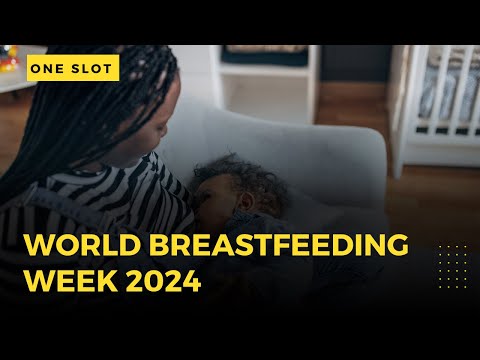
Breastfeeding advocacy and awareness are critical for promoting a culture of breastfeeding support. Organizations like La Leche League and World Breastfeeding Week play a vital role in raising awareness and promoting breastfeeding education. Moreover, social media campaigns and influencer partnerships can help normalize breastfeeding and challenge breastfeeding stigma. By working together, we can create a society that values and supports breastfeeding, recognizing its importance for public health and social justice.
🌎 Conclusion and Future Directions
In conclusion, breastfeeding statistics offer a complex and multifaceted picture of global breastfeeding trends and disparities. While there have been significant gains in recent decades, many challenges persist, from lack of breastfeeding support to regional disparities in breastfeeding rates. As we look to the future, it is essential that we prioritize breastfeeding education, support, and advocacy, recognizing the critical role that breastfeeding plays in promoting maternal and child health. By working together, we can create a brighter future for breastfeeding, one that values and supports the unique needs of mothers and babies around the world.
Key Facts
- Year
- 2022
- Origin
- Vibepedia.wiki
- Category
- Health and Wellness
- Type
- Health Topic
Frequently Asked Questions
What are the benefits of breastfeeding?
Breastfeeding provides numerous benefits for both mothers and babies, including reduced risk of infectious diseases, allergies, and obesity. Additionally, breastfeeding can help with postpartum recovery and reduce the risk of breast cancer and ovarian cancer. For more information, see Breastfeeding Benefits.
How can I promote successful breastfeeding experiences?
To promote successful breastfeeding experiences, it is essential to have access to lactation consultants, breastfeeding support groups, and online resources. Additionally, creating a breastfeeding-friendly environment, including lactation accommodations and paid family leave, can help support new mothers. For more information, see Breastfeeding Support.
What are the regional disparities in breastfeeding rates?
Regional disparities in breastfeeding rates are significant, with some countries and communities facing unique challenges. In Sub-Saharan Africa, for example, breastfeeding rates are often lower due to factors such as poverty and lack of access to healthcare. In contrast, countries like Sweden and Denmark have implemented policies to support breastfeeding, resulting in higher rates. For more information, see Regional Breastfeeding Disparities.
How can I balance work and breastfeeding?
Balancing work and breastfeeding can be challenging, but there are several strategies that can help. These include expressing breast milk, using breast pumps, and taking regular breaks to breastfeed or express milk. Additionally, creating a breastfeeding-friendly workplace, including lactation accommodations and paid family leave, can help support new mothers. For more information, see Breastfeeding and Work.
What is the economic impact of breastfeeding?
The economic impact of breastfeeding is significant, with both short-term and long-term benefits. Breastfeeding can reduce healthcare costs by minimizing the risk of breastfeeding-related illnesses and infections. Moreover, breastfeeding can increase productivity and reduce absenteeism among new mothers, as they are less likely to need time off for baby care. For more information, see Economic Impact of Breastfeeding.