
Contents
- 🙏 Introduction to Body Scan Meditation
- 🧘♀️ History and Origins of Body Scan Meditation
- 💆♀️ Benefits of Body Scan Meditation
- 👀 How to Practice Body Scan Meditation
- 🔍 Mindfulness and Body Scan Meditation
- 🤝 Connection to Other Meditation Practices
- 📊 Scientific Research on Body Scan Meditation
- 📈 Vibe Score and Cultural Significance
- 👥 Influential Figures in Body Scan Meditation
- 📚 Recommended Reading and Resources
- 👀 Common Challenges and Misconceptions
- 🔮 Future Directions and Emerging Trends
- Frequently Asked Questions
- Related Topics
Overview
Body scan meditation is a technique rooted in ancient Eastern spiritual traditions, with the first recorded practices dating back to the 5th century BCE in India. This mindfulness practice involves systematically focusing attention on different parts of the body, often starting at the toes and moving up to the top of the head, to cultivate awareness of physical sensations, release tension, and promote relaxation. Research has shown that regular body scan meditation can decrease symptoms of anxiety and depression, improve sleep quality, and enhance emotional regulation. The practice has been popularized in the Western world by teachers such as Jon Kabat-Zinn, who founded the Mindfulness-Based Stress Reduction (MBSR) program in 1979. With a vibe score of 8, body scan meditation has become a widely accepted and evidence-based approach to reducing stress and improving overall well-being. As the field of mindfulness continues to evolve, it will be interesting to see how body scan meditation is integrated into new technologies and therapeutic modalities, potentially leading to even more innovative applications in the future.
🙏 Introduction to Body Scan Meditation
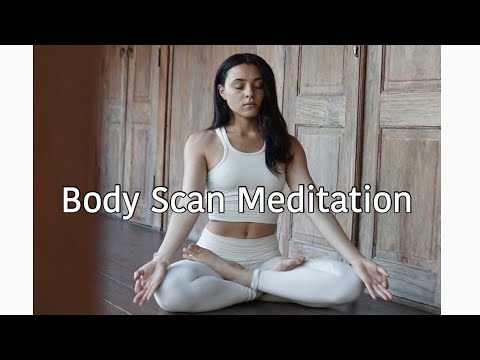
Body scan meditation is a powerful mindfulness practice that involves lying down or sitting comfortably and bringing awareness to different parts of the body. This technique is often used in Mindfulness and Meditation to cultivate relaxation, reduce stress, and increase overall well-being. By focusing on the physical sensations in the body, individuals can develop a greater sense of awareness and connection to their physical and emotional experiences. The practice of body scan meditation has its roots in ancient Eastern spiritual traditions, including Yoga and Tai-Chi. As a mindfulness practice, body scan meditation is often used in conjunction with other techniques, such as Breathwork and Loving-Kindness Meditation.
🧘♀️ History and Origins of Body Scan Meditation
The history of body scan meditation dates back thousands of years to ancient Eastern spiritual traditions. In Hinduism and Buddhism, body scan meditation was used as a means of cultivating awareness and achieving spiritual enlightenment. The practice was often used in conjunction with other mindfulness techniques, such as Mantra Meditation and Walking Meditation. In the Western world, body scan meditation was popularized in the 1970s and 1980s by teachers such as Jon Kabat-Zinn and Herbert Benson. Today, body scan meditation is widely used in Mindfulness-Based Stress Reduction programs and other mindfulness interventions.
💆♀️ Benefits of Body Scan Meditation
The benefits of body scan meditation are numerous and well-documented. Regular practice has been shown to reduce stress and anxiety, improve sleep quality, and enhance overall well-being. Body scan meditation has also been used to manage chronic pain, improve immune function, and reduce inflammation. By cultivating awareness and connection to the body, individuals can develop a greater sense of self-awareness and self-acceptance, leading to improved mental and emotional health. As a mindfulness practice, body scan meditation is often used in conjunction with other techniques, such as Cognitive-Behavioral Therapy and Acceptance and Commitment Therapy.
👀 How to Practice Body Scan Meditation
To practice body scan meditation, find a quiet and comfortable place to lie down or sit. Close your eyes and take a few deep breaths, feeling the breath move in and out of the body. Bring your attention to the toes, noticing any sensations, feelings, or thoughts without judgment. Slowly scan the body, bringing awareness to each part, including the feet, calves, thighs, hips, back, shoulders, arms, hands, neck, and head. As you scan, notice any areas of tension or relaxation, and allow yourself to release any discomfort or stress. The practice of body scan meditation can be guided by a teacher or recording, or practiced independently using Meditation Apps and other resources.
🔍 Mindfulness and Body Scan Meditation
Body scan meditation is a powerful mindfulness practice that cultivates awareness and connection to the body. By focusing on the physical sensations in the body, individuals can develop a greater sense of self-awareness and self-acceptance, leading to improved mental and emotional health. As a mindfulness practice, body scan meditation is often used in conjunction with other techniques, such as Mindful Movement and Mindful Eating. The practice of body scan meditation can also be used to enhance athletic performance, improve sleep quality, and reduce stress and anxiety. For more information on mindfulness and meditation, visit Mindfulness and Meditation.
🤝 Connection to Other Meditation Practices
Body scan meditation is connected to other meditation practices, such as Loving-Kindness Meditation and Transcendental Meditation. These practices share a common goal of cultivating awareness, compassion, and inner peace. Body scan meditation can also be used in conjunction with other mindfulness techniques, such as Yoga and Tai-Chi, to enhance overall well-being and reduce stress. The practice of body scan meditation can be guided by a teacher or recording, or practiced independently using Meditation Apps and other resources. For more information on meditation practices, visit Meditation.
📊 Scientific Research on Body Scan Meditation
Scientific research on body scan meditation has demonstrated its effectiveness in reducing stress and anxiety, improving sleep quality, and enhancing overall well-being. Studies have also shown that body scan meditation can reduce chronic pain, improve immune function, and reduce inflammation. The practice of body scan meditation has been used in Mindfulness-Based Stress Reduction programs and other mindfulness interventions, with positive results. For more information on the science of meditation, visit Science of Meditation.
📈 Vibe Score and Cultural Significance
The vibe score of body scan meditation is high, indicating its cultural significance and popularity. The practice has been widely adopted in the Western world, and is often used in conjunction with other mindfulness techniques, such as Mindful Movement and Mindful Eating. The cultural significance of body scan meditation can be attributed to its ability to cultivate awareness, compassion, and inner peace, leading to improved mental and emotional health. For more information on the cultural significance of meditation, visit Cultural Significance of Meditation.
👥 Influential Figures in Body Scan Meditation
Influential figures in body scan meditation include Jon Kabat-Zinn and Herbert Benson, who popularized the practice in the Western world. Other influential figures include Thich Nhat Hanh and Dalai Lama, who have written extensively on the benefits of mindfulness and meditation. The practice of body scan meditation has also been influenced by Yoga and Tai-Chi, which share a common goal of cultivating awareness and inner peace. For more information on influential figures in meditation, visit Influential Figures in Meditation.
📚 Recommended Reading and Resources
Recommended reading and resources for body scan meditation include The Miracle of Mindfulness by Thich Nhat Hanh and Wherever You Go, There You Are by Jon Kabat-Zinn. Other resources include Meditation Apps and Guided Meditations, which can provide guidance and support for individuals practicing body scan meditation. For more information on meditation resources, visit Meditation Resources.
👀 Common Challenges and Misconceptions
Common challenges and misconceptions about body scan meditation include the idea that it is only for relaxation, or that it requires a specific posture or environment. However, body scan meditation can be practiced anywhere, at any time, and can be adapted to suit individual needs and preferences. Another common misconception is that body scan meditation is only for individuals with a certain level of experience or expertise, when in fact it can be practiced by anyone, regardless of age or ability. For more information on common challenges and misconceptions, visit Common Challenges and Misconceptions.
🔮 Future Directions and Emerging Trends
Future directions and emerging trends in body scan meditation include the use of Virtual Reality and Artificial Intelligence to enhance the practice. Other emerging trends include the integration of body scan meditation with other mindfulness techniques, such as Mindful Movement and Mindful Eating. The practice of body scan meditation is also being used in new and innovative ways, such as in Mindfulness-Based Stress Reduction programs and other mindfulness interventions. For more information on emerging trends, visit Emerging Trends.
Key Facts
- Year
- 1979
- Origin
- India, 5th century BCE
- Category
- Mindfulness and Meditation
- Type
- Mindfulness Practice
Frequently Asked Questions
What is body scan meditation?
Body scan meditation is a mindfulness practice that involves lying down or sitting comfortably and bringing awareness to different parts of the body. This technique is often used in Mindfulness and Meditation to cultivate relaxation, reduce stress, and increase overall well-being. By focusing on the physical sensations in the body, individuals can develop a greater sense of awareness and connection to their physical and emotional experiences.
What are the benefits of body scan meditation?
The benefits of body scan meditation are numerous and well-documented. Regular practice has been shown to reduce stress and anxiety, improve sleep quality, and enhance overall well-being. Body scan meditation has also been used to manage chronic pain, improve immune function, and reduce inflammation. By cultivating awareness and connection to the body, individuals can develop a greater sense of self-awareness and self-acceptance, leading to improved mental and emotional health.
How do I practice body scan meditation?
To practice body scan meditation, find a quiet and comfortable place to lie down or sit. Close your eyes and take a few deep breaths, feeling the breath move in and out of the body. Bring your attention to the toes, noticing any sensations, feelings, or thoughts without judgment. Slowly scan the body, bringing awareness to each part, including the feet, calves, thighs, hips, back, shoulders, arms, hands, neck, and head. As you scan, notice any areas of tension or relaxation, and allow yourself to release any discomfort or stress.
What is the history of body scan meditation?
The history of body scan meditation dates back thousands of years to ancient Eastern spiritual traditions. In Hinduism and Buddhism, body scan meditation was used as a means of cultivating awareness and achieving spiritual enlightenment. The practice was often used in conjunction with other mindfulness techniques, such as Mantra Meditation and Walking Meditation. In the Western world, body scan meditation was popularized in the 1970s and 1980s by teachers such as Jon Kabat-Zinn and Herbert Benson.
What are some common challenges and misconceptions about body scan meditation?
Common challenges and misconceptions about body scan meditation include the idea that it is only for relaxation, or that it requires a specific posture or environment. However, body scan meditation can be practiced anywhere, at any time, and can be adapted to suit individual needs and preferences. Another common misconception is that body scan meditation is only for individuals with a certain level of experience or expertise, when in fact it can be practiced by anyone, regardless of age or ability.
What are some future directions and emerging trends in body scan meditation?
Future directions and emerging trends in body scan meditation include the use of Virtual Reality and Artificial Intelligence to enhance the practice. Other emerging trends include the integration of body scan meditation with other mindfulness techniques, such as Mindful Movement and Mindful Eating. The practice of body scan meditation is also being used in new and innovative ways, such as in Mindfulness-Based Stress Reduction programs and other mindfulness interventions.
What are some recommended reading and resources for body scan meditation?
Recommended reading and resources for body scan meditation include The Miracle of Mindfulness by Thich Nhat Hanh and Wherever You Go, There You Are by Jon Kabat-Zinn. Other resources include Meditation Apps and Guided Meditations, which can provide guidance and support for individuals practicing body scan meditation.