
Contents
- 🏥 Introduction to Adrenal Insufficiency
- 🧬 The Role of Adrenal Glands in Hormone Production
- 📊 Symptoms of Adrenal Insufficiency
- 🚨 Adrenal Crisis: A Life-Threatening Condition
- 💊 Treatment and Management of Adrenal Insufficiency
- 👨⚕️ Diagnosis and Testing for Adrenal Insufficiency
- 🤝 The Importance of Self-Care and Stress Management
- 📝 The Impact of Adrenal Insufficiency on Mental Health
- 🏋️♀️ Exercise and Adrenal Insufficiency: What You Need to Know
- 📊 Nutrition and Adrenal Insufficiency: A Delicate Balance
- 👥 Living with Adrenal Insufficiency: Patient Stories and Experiences
- Frequently Asked Questions
- Related Topics
Overview
Adrenal insufficiency is a condition where the adrenal glands do not produce adequate amounts of hormones, such as cortisol and aldosterone, leading to a range of symptoms including fatigue, weight loss, and low blood pressure. With a prevalence of approximately 4-6 cases per 100,000 people, adrenal insufficiency is a significant health concern that requires prompt diagnosis and treatment. The condition can be primary, as in Addison's disease, or secondary, resulting from pituitary gland dysfunction. According to the National Institutes of Health, the most common cause of primary adrenal insufficiency is autoimmune adrenalitis, accounting for approximately 70% of cases. The diagnosis of adrenal insufficiency involves a combination of clinical evaluation, laboratory tests, and imaging studies, with treatment typically involving hormone replacement therapy. As research continues to uncover the complexities of adrenal insufficiency, it is essential to raise awareness about this condition and promote early detection and treatment to improve patient outcomes.
🏥 Introduction to Adrenal Insufficiency
Adrenal insufficiency is a condition in which the adrenal glands do not produce adequate amounts of steroid hormones, including Glucocorticoids and Mineralocorticoids. This can lead to a range of symptoms, from mild to severe, and can be life-threatening if left untreated. According to the Endocrine Society, adrenal insufficiency affects approximately 4 out of 100,000 people. The condition can be caused by a variety of factors, including Addison's disease, Congenital Adrenal Hyperplasia, and Pituitary Gland Disorders.
🧬 The Role of Adrenal Glands in Hormone Production
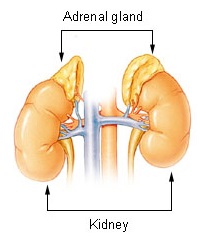
The adrenal glands, also referred to as the Adrenal Cortex, play a crucial role in regulating blood pressure, electrolytes, and metabolism. They produce a range of hormones, including Cortisol, Aldosterone, and Androgens. These hormones are essential for maintaining proper bodily functions, and a deficiency can lead to a range of symptoms. For example, a deficiency in Cortisol can lead to Adrenal Crisis, a life-threatening condition that requires immediate medical attention. The Hormone Regulation process is complex and involves the Hypothalamic-Pituitary-Adrenal Axis.
📊 Symptoms of Adrenal Insufficiency
The symptoms of adrenal insufficiency can vary depending on the severity of the condition. Common symptoms include Abdominal Pain, Vomiting, Muscle Weakness, and Fatigue. In addition, people with adrenal insufficiency may experience Low Blood Pressure, Depression, and Mood Changes. In severe cases, adrenal insufficiency can lead to Organ Failure and Shock. It is essential to seek medical attention if you are experiencing any of these symptoms, as Early Diagnosis and treatment can significantly improve outcomes. The Symptom Management of adrenal insufficiency requires a comprehensive approach, including Medication, Lifestyle Changes, and Stress Management.
🚨 Adrenal Crisis: A Life-Threatening Condition
Adrenal crisis is a life-threatening condition that can occur in people with adrenal insufficiency. It is caused by a severe deficiency of Cortisol in the body and can be triggered by stresses such as an Accident, Injury, Surgery, or Severe Infection. Symptoms of adrenal crisis include Severe Abdominal Pain, Vomiting, Diarrhea, and Low Blood Pressure. If left untreated, adrenal crisis can lead to Death. It is essential to seek immediate medical attention if you are experiencing any of these symptoms. The Emergency Treatment of adrenal crisis typically involves the administration of Corticosteroids and Fluid Resuscitation.
💊 Treatment and Management of Adrenal Insufficiency
Treatment and management of adrenal insufficiency typically involve the use of Hormone Replacement Therapy to replace the deficient hormones. This can include Corticosteroids such as Hydrocortisone and Fludrocortisone. In addition, people with adrenal insufficiency may need to make Lifestyle Changes to manage their condition, including Stress Management and Exercise. It is also essential to work closely with a Healthcare Provider to monitor the condition and adjust treatment as needed. The Treatment Outcomes of adrenal insufficiency can be significantly improved with proper management and care. The Adrenal Insufficiency Treatment options are diverse and depend on the individual's specific needs.
👨⚕️ Diagnosis and Testing for Adrenal Insufficiency
Diagnosis and testing for adrenal insufficiency typically involve a range of tests, including Blood Tests to measure hormone levels and Imaging Tests to evaluate the adrenal glands. A Physical Examination and Medical History are also essential in diagnosing adrenal insufficiency. In some cases, a Stimulation Test may be used to assess the function of the adrenal glands. It is essential to work closely with a Healthcare Provider to determine the best course of diagnosis and treatment. The Diagnostic Criteria for adrenal insufficiency are well-established, and the Diagnostic Process typically involves a combination of clinical evaluation and laboratory tests.
🤝 The Importance of Self-Care and Stress Management
Self-care and stress management are essential for people with adrenal insufficiency. This can include Stress Reduction Techniques such as Meditation and Yoga, as well as Exercise and Healthy Eating. It is also important to get enough Sleep and to avoid Smoking and Excessive Alcohol Consumption. By managing stress and making healthy lifestyle choices, people with adrenal insufficiency can help manage their condition and improve their overall health. The Self-Care strategies for adrenal insufficiency are diverse and depend on the individual's specific needs. The Stress Management techniques can help alleviate symptoms and improve quality of life.
📝 The Impact of Adrenal Insufficiency on Mental Health
Adrenal insufficiency can have a significant impact on mental health, including Anxiety, Depression, and Mood Changes. It is essential to work closely with a Mental Health Professional to manage these symptoms and develop coping strategies. In addition, people with adrenal insufficiency may need to make Lifestyle Changes to manage their condition, including Stress Management and Exercise. By prioritizing mental health and well-being, people with adrenal insufficiency can improve their overall quality of life. The Mental Health implications of adrenal insufficiency are significant, and the Mental Health Treatment options are diverse and depend on the individual's specific needs.
🏋️♀️ Exercise and Adrenal Insufficiency: What You Need to Know
Exercise is an essential part of managing adrenal insufficiency, but it is crucial to approach exercise with caution. People with adrenal insufficiency may need to avoid High-Intensity Exercise and instead focus on Low-Intensity Exercise such as Yoga or Walking. It is also essential to listen to your body and rest when needed, as overexertion can trigger an Adrenal Crisis. By working closely with a Healthcare Provider and developing a personalized exercise plan, people with adrenal insufficiency can safely and effectively incorporate exercise into their management plan. The Exercise and Adrenal Insufficiency relationship is complex, and the Exercise Recommendations depend on the individual's specific needs.
📊 Nutrition and Adrenal Insufficiency: A Delicate Balance
Nutrition plays a critical role in managing adrenal insufficiency. People with adrenal insufficiency may need to follow a Special Diet that is high in Salt and Protein and low in Sugar and Caffeine. It is also essential to stay hydrated by drinking plenty of Water. In addition, people with adrenal insufficiency may need to take Supplements such as Vitamin D and Calcium to manage their condition. By working closely with a Registered Dietitian or Healthcare Provider, people with adrenal insufficiency can develop a personalized nutrition plan that meets their unique needs. The Nutrition and Adrenal Insufficiency relationship is complex, and the Nutrition Recommendations depend on the individual's specific needs.
👥 Living with Adrenal Insufficiency: Patient Stories and Experiences
Living with adrenal insufficiency can be challenging, but there are many resources available to help. People with adrenal insufficiency can connect with others who have the condition through Support Groups and Online Communities. In addition, there are many Patient Organizations that provide education, advocacy, and support for people with adrenal insufficiency. By working together and sharing their experiences, people with adrenal insufficiency can build a strong and supportive community. The Patient Stories and experiences can help raise awareness and promote understanding of adrenal insufficiency.
Key Facts
- Year
- 2022
- Origin
- First described by Thomas Addison in 1855
- Category
- Health and Medicine
- Type
- Medical Condition
Frequently Asked Questions
What is adrenal insufficiency?
Adrenal insufficiency is a condition in which the adrenal glands do not produce adequate amounts of steroid hormones, including Glucocorticoids and Mineralocorticoids. This can lead to a range of symptoms, from mild to severe, and can be life-threatening if left untreated. According to the Endocrine Society, adrenal insufficiency affects approximately 4 out of 100,000 people.
What are the symptoms of adrenal insufficiency?
The symptoms of adrenal insufficiency can vary depending on the severity of the condition. Common symptoms include Abdominal Pain, Vomiting, Muscle Weakness, and Fatigue. In addition, people with adrenal insufficiency may experience Low Blood Pressure, Depression, and Mood Changes.
How is adrenal insufficiency diagnosed?
Diagnosis and testing for adrenal insufficiency typically involve a range of tests, including Blood Tests to measure hormone levels and Imaging Tests to evaluate the adrenal glands. A Physical Examination and Medical History are also essential in diagnosing adrenal insufficiency.
What is adrenal crisis?
Adrenal crisis is a life-threatening condition that can occur in people with adrenal insufficiency. It is caused by a severe deficiency of Cortisol in the body and can be triggered by stresses such as an Accident, Injury, Surgery, or Severe Infection.
How is adrenal insufficiency treated?
Treatment and management of adrenal insufficiency typically involve the use of Hormone Replacement Therapy to replace the deficient hormones. This can include Corticosteroids such as Hydrocortisone and Fludrocortisone.
Can people with adrenal insufficiency exercise?
Yes, people with adrenal insufficiency can exercise, but it is crucial to approach exercise with caution. People with adrenal insufficiency may need to avoid High-Intensity Exercise and instead focus on Low-Intensity Exercise such as Yoga or Walking.
What is the prognosis for people with adrenal insufficiency?
The prognosis for people with adrenal insufficiency is generally good if the condition is properly managed. With Hormone Replacement Therapy and lifestyle changes, people with adrenal insufficiency can lead active and healthy lives.