
Contents
- 🌎 Introduction to Acupuncture
- 🧐 History of Acupuncture
- 🤔 Theories and Practices of TCM
- 💡 Scientific Criticisms of Acupuncture
- 📊 Efficacy and Effectiveness of Acupuncture
- 👨⚕️ Acupuncture in Modern Medicine
- 🚫 Controversies and Criticisms
- 🌈 Cultural Significance of Acupuncture
- 📚 Research and Future Directions
- 👥 Global Adoption and Regulation
- 🤝 Integration with Conventional Medicine
- 💬 Conclusion and Future Prospects
- Frequently Asked Questions
- Related Topics
Overview
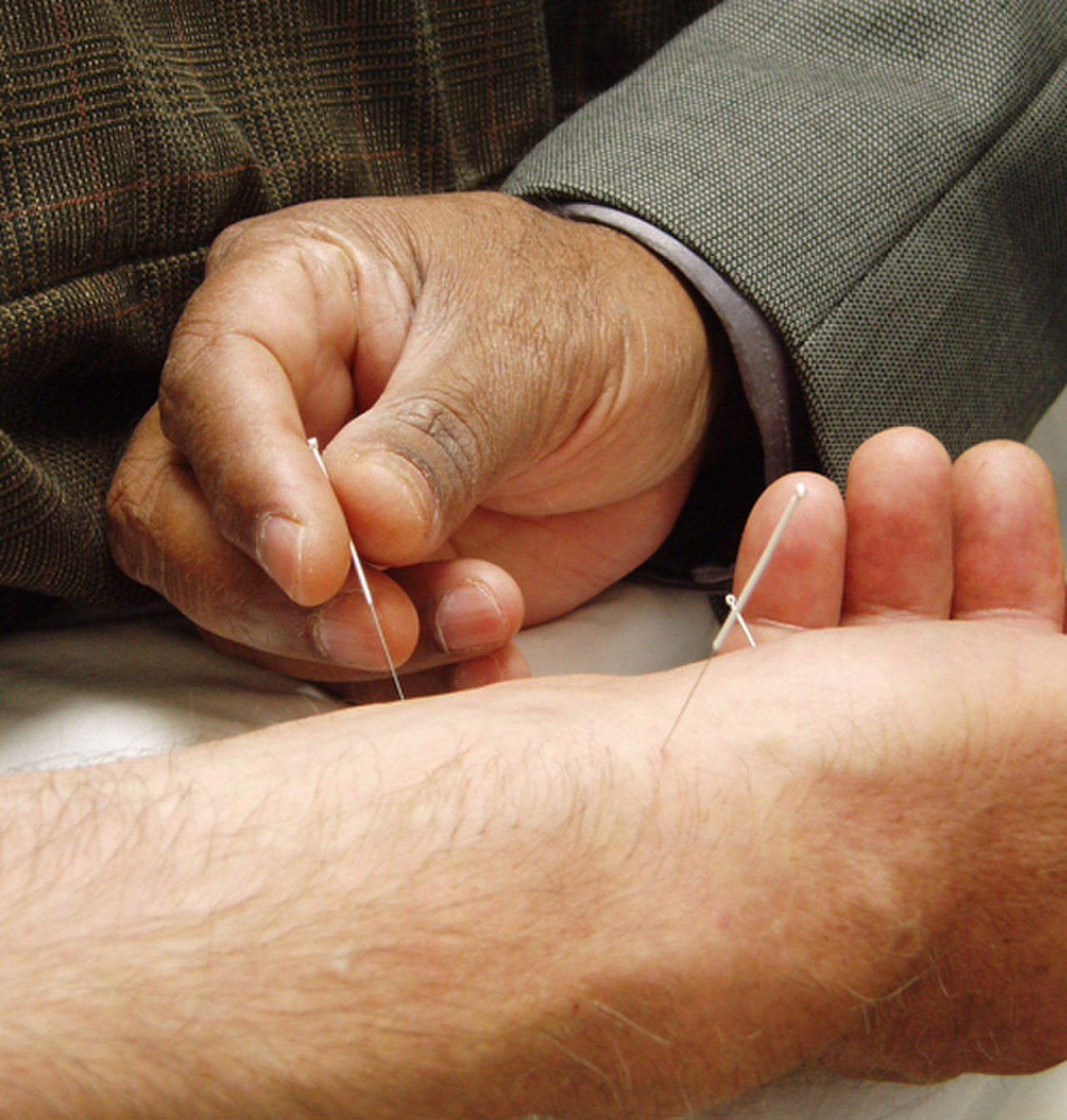
Acupuncture, with a history spanning over 2,500 years, is a traditional Chinese medical practice that involves the insertion of thin needles into specific points on the body to stimulate the body's natural healing processes. The practice has been widely adopted globally, with the World Health Organization (WHO) recognizing its potential therapeutic benefits for over 100 conditions, including chronic pain, migraines, and depression. However, its efficacy and mechanisms of action remain subjects of intense scientific scrutiny and debate. Proponents argue that acupuncture can effectively treat a range of ailments by restoring the flow of qi, or life energy, while skeptics point to the lack of robust clinical evidence and the potential for placebo effects. The influence of acupuncture extends beyond the realm of medicine, with significant cultural and historical implications, particularly in China, where it is considered a key component of traditional Chinese medicine. As research continues to unravel the mysteries of acupuncture, its future in modern healthcare remains a topic of considerable interest and controversy, with a vibe score of 8 out of 10, reflecting its enduring cultural energy and the ongoing debates surrounding its use.
🌎 Introduction to Acupuncture
Acupuncture is a form of alternative medicine that has been practiced for thousands of years, with roots in traditional Chinese medicine (TCM). As a component of TCM, acupuncture involves the insertion of thin needles into specific points on the body to restore balance and promote healing. Despite its long history, acupuncture remains a topic of debate, with some hailing it as a effective treatment for various ailments, while others dismiss it as a pseudoscience. For more information on TCM, visit the Traditional Chinese Medicine page. Acupuncture is also closely related to other alternative therapies, such as Herbal Medicine and Moxibustion.
🧐 History of Acupuncture
The history of acupuncture dates back to ancient China, with the first recorded use of acupuncture dating back to the Shang Dynasty (16th-11th centuries BCE). Over time, acupuncture evolved and spread throughout Asia, with various cultures adapting and modifying the practice to suit their needs. Today, acupuncture is practiced worldwide, with many countries incorporating it into their healthcare systems. To learn more about the history of acupuncture, visit the History of Acupuncture page. Acupuncture has also been influenced by other traditional practices, such as Ayurvedic Medicine and Unani Medicine.
🤔 Theories and Practices of TCM
The theories and practices of TCM, including acupuncture, are based on the concept of qi (life energy) and the balance of yin and yang. According to TCM, the flow of qi is essential for maintaining health, and any blockages or imbalances can lead to disease. Acupuncture is used to restore the flow of qi and promote healing. However, these theories have been widely criticized as pseudoscientific, with many experts arguing that they are not supported by empirical evidence. For a critical analysis of TCM, visit the Critique of TCM page. TCM has also been compared to other alternative therapies, such as Homeopathy and Naturopathy.
💡 Scientific Criticisms of Acupuncture
From a scientific perspective, acupuncture has been subject to numerous criticisms and controversies. Many experts argue that the theories and practices of TCM are not based on scientific knowledge, and that acupuncture has been characterized as quackery. Despite numerous studies, there is limited evidence to support the efficacy of acupuncture for most medical conditions. For a detailed analysis of the scientific criticisms of acupuncture, visit the Scientific Criticisms of Acupuncture page. Acupuncture has also been compared to other alternative therapies, such as Chiropractic Medicine and Osteopathic Medicine.
📊 Efficacy and Effectiveness of Acupuncture
The efficacy and effectiveness of acupuncture have been the subject of numerous studies and debates. While some studies suggest that acupuncture may be effective for certain conditions, such as chronic pain and nausea, others have found no significant benefits. The quality of evidence is often limited, and many studies have methodological flaws. For a comprehensive review of the evidence, visit the Efficacy of Acupuncture page. Acupuncture has also been used in conjunction with other therapies, such as Physical Therapy and Occupational Therapy.
👨⚕️ Acupuncture in Modern Medicine
Despite the controversies surrounding acupuncture, it is increasingly being used in modern medicine. Many hospitals and healthcare systems offer acupuncture as a complementary therapy, and some insurance companies cover acupuncture treatments. However, the use of acupuncture in modern medicine is often limited to specific conditions, and its effectiveness is closely monitored. For more information on the use of acupuncture in modern medicine, visit the Acupuncture in Modern Medicine page. Acupuncture has also been used in conjunction with other alternative therapies, such as Mindfulness Meditation and Yoga Therapy.
🚫 Controversies and Criticisms
Acupuncture has been subject to numerous controversies and criticisms, including concerns about safety, efficacy, and regulation. Many experts argue that acupuncture is a form of quackery, and that its use can be harmful or ineffective. For a detailed analysis of the controversies surrounding acupuncture, visit the Controversies Surrounding Acupuncture page. Acupuncture has also been compared to other alternative therapies, such as Reflexology and Aromatherapy.
🌈 Cultural Significance of Acupuncture
Acupuncture has significant cultural and historical significance, particularly in Asia. In many countries, acupuncture is an integral part of traditional medicine, and its practice is often closely tied to cultural and spiritual beliefs. For more information on the cultural significance of acupuncture, visit the Cultural Significance of Acupuncture page. Acupuncture has also been influenced by other cultural practices, such as Tai Chi and Qigong.
📚 Research and Future Directions
Research on acupuncture is ongoing, with many studies investigating its efficacy and safety. However, the quality of evidence is often limited, and many studies have methodological flaws. For a comprehensive review of the research on acupuncture, visit the Research on Acupuncture page. Acupuncture has also been used in conjunction with other research areas, such as Neuroscience and Psychology.
👥 Global Adoption and Regulation
Acupuncture is practiced worldwide, with many countries incorporating it into their healthcare systems. However, the regulation of acupuncture varies widely, and its use is often subject to controversy and debate. For more information on the global adoption and regulation of acupuncture, visit the Global Adoption of Acupuncture page. Acupuncture has also been compared to other alternative therapies, such as Acupressure and Magnetic Therapy.
🤝 Integration with Conventional Medicine
Acupuncture is increasingly being used in conjunction with conventional medicine, particularly for conditions such as chronic pain and nausea. However, the integration of acupuncture into conventional medicine is often limited, and its use is subject to controversy and debate. For a detailed analysis of the integration of acupuncture into conventional medicine, visit the Integration of Acupuncture page. Acupuncture has also been used in conjunction with other conventional therapies, such as Pharmacology and Surgery.
💬 Conclusion and Future Prospects
In conclusion, acupuncture is a complex and multifaceted practice that has been subject to numerous controversies and debates. While some argue that acupuncture is a effective treatment for various ailments, others dismiss it as a pseudoscience. As research continues to investigate the efficacy and safety of acupuncture, its use in modern medicine is likely to remain a topic of debate. For more information on the future prospects of acupuncture, visit the Future of Acupuncture page. Acupuncture has also been compared to other alternative therapies, such as Hypnotherapy and Biofeedback Therapy.
Key Facts
- Year
- 1997
- Origin
- China
- Category
- Alternative Medicine
- Type
- Medical Practice
Frequently Asked Questions
What is acupuncture?
Acupuncture is a form of alternative medicine that involves the insertion of thin needles into specific points on the body to restore balance and promote healing. It is a component of traditional Chinese medicine (TCM) and has been practiced for thousands of years. For more information, visit the What is Acupuncture page. Acupuncture is also closely related to other alternative therapies, such as Acupressure and Reflexology.
Is acupuncture effective?
The efficacy of acupuncture is a topic of debate, with some studies suggesting that it may be effective for certain conditions, such as chronic pain and nausea. However, the quality of evidence is often limited, and many studies have methodological flaws. For a comprehensive review of the evidence, visit the Efficacy of Acupuncture page. Acupuncture has also been compared to other alternative therapies, such as Chiropractic Medicine and Osteopathic Medicine.
Is acupuncture safe?
Acupuncture is generally considered safe when performed by a licensed practitioner using sterile needles. However, there are risks associated with acupuncture, such as infection and bleeding. For more information on the safety of acupuncture, visit the Safety of Acupuncture page. Acupuncture has also been compared to other alternative therapies, such as Mindfulness Meditation and Yoga Therapy.
What are the benefits of acupuncture?
The benefits of acupuncture are a topic of debate, with some arguing that it can be effective for various ailments, such as chronic pain and nausea. However, the evidence is often limited, and many studies have methodological flaws. For a comprehensive review of the benefits of acupuncture, visit the Benefits of Acupuncture page. Acupuncture has also been used in conjunction with other therapies, such as Physical Therapy and Occupational Therapy.
What are the risks of acupuncture?
The risks of acupuncture include infection, bleeding, and other adverse effects. However, these risks are generally rare and can be minimized by using sterile needles and following proper safety protocols. For more information on the risks of acupuncture, visit the Risks of Acupuncture page. Acupuncture has also been compared to other alternative therapies, such as Hypnotherapy and Biofeedback Therapy.
How is acupuncture regulated?
The regulation of acupuncture varies widely, with different countries and states having different laws and regulations. In general, acupuncture is regulated by state licensing boards, which require practitioners to meet certain education and training requirements. For more information on the regulation of acupuncture, visit the Regulation of Acupuncture page. Acupuncture has also been compared to other alternative therapies, such as Acupressure and Magnetic Therapy.
What is the future of acupuncture?
The future of acupuncture is uncertain, with some arguing that it will become increasingly integrated into conventional medicine, while others predict that it will remain a fringe practice. For more information on the future of acupuncture, visit the Future of Acupuncture page. Acupuncture has also been compared to other alternative therapies, such as Chiropractic Medicine and Osteopathic Medicine.