
Contents
- 🌟 Introduction to Cancer
- 👥 Types of Cancer
- 🔬 Causes and Risk Factors
- 🚑 Symptoms and Diagnosis
- 💊 Treatment Options
- 👩🔬 Cancer Research and Development
- 📊 Cancer Statistics and Trends
- 🌎 Global Cancer Burden
- 💔 Cancer and Mental Health
- 🤝 Cancer Support and Resources
- 📚 Cancer Education and Awareness
- Frequently Asked Questions
- Related Topics
Overview
Cancer, a term coined by Greek physician Hippocrates (460-370 BCE), refers to a broad group of diseases characterized by uncontrolled cell growth, invasion, and metastasis. The disease has been a major cause of morbidity and mortality worldwide, with approximately 19.3 million new cases and 10 million deaths reported in 2020, according to the International Agency for Research on Cancer (IARC). Cancer research has made significant strides in recent years, with the development of targeted therapies, immunotherapies, and combination treatments. However, the disease remains a complex and multifactorial entity, with debates surrounding the role of genetics, environmental factors, and lifestyle choices in its etiology. As researchers continue to unravel the molecular mechanisms underlying cancer, new avenues for prevention, diagnosis, and treatment are emerging, including liquid biopsies, artificial intelligence-powered diagnostic tools, and personalized medicine approaches. With a projected 28.4 million new cancer cases by 2040, the need for continued innovation and collaboration in cancer research has never been more pressing.
🌟 Introduction to Cancer
Cancer is a complex and multifactorial disease that affects millions of people worldwide. According to the National Cancer Institute, cancer is a group of diseases involving uncontrolled cell growth typically resulting in tumors with the potential to invade or spread to other parts of the body. These malignant tumors contrast with benign tumors, which do not spread. Over 100 types of cancers affect humans, including breast cancer, lung cancer, and colorectal cancer. The World Health Organization reports that cancer is one of the leading causes of death globally. Understanding the different types of cancer and their causes is crucial for developing effective treatment strategies and improving patient outcomes.
👥 Types of Cancer
There are several types of cancer, each with its unique characteristics and symptoms. Carcinoma is the most common type of cancer, accounting for about 90% of all cancer cases. Sarcoma is a type of cancer that affects the connective tissue, while leukemia is a type of cancer that affects the blood and bone marrow. Other types of cancer include lymphoma and melanoma. Each type of cancer requires a different approach to treatment, and understanding the specific characteristics of each type is essential for developing effective treatment plans. The American Cancer Society provides detailed information on the different types of cancer and their treatment options.
🔬 Causes and Risk Factors
Cancer is caused by a combination of genetic and environmental factors. Genetic mutations can occur due to errors in DNA replication or exposure to carcinogens such as tobacco and ultraviolet radiation. Other risk factors for cancer include obesity, physical inactivity, and poor diet. Understanding the causes and risk factors of cancer is crucial for developing effective prevention strategies and reducing the incidence of cancer. The Centers for Disease Control and Prevention provides guidance on cancer prevention and early detection.
🚑 Symptoms and Diagnosis
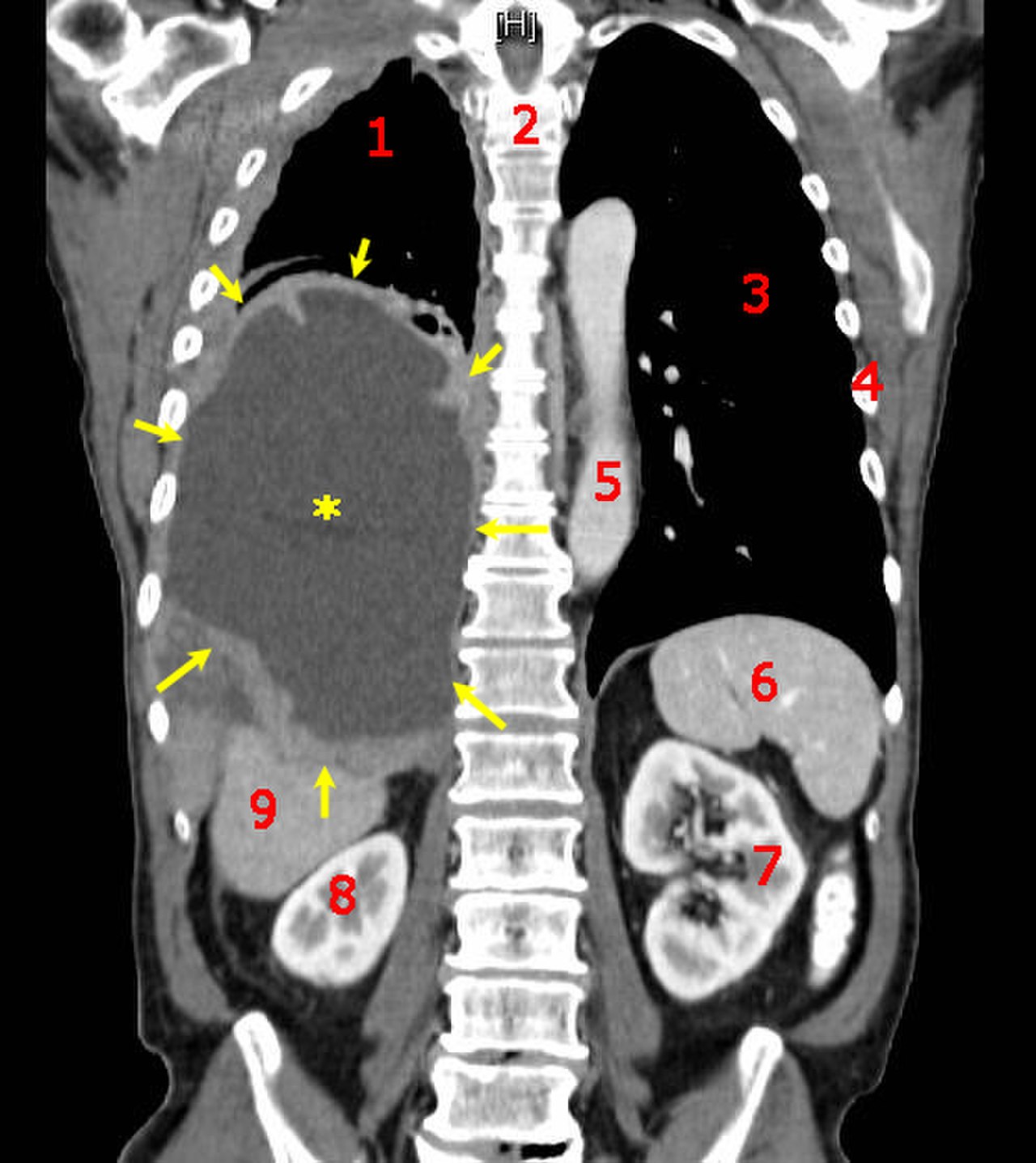
The symptoms of cancer vary depending on the type and location of the tumor. Common symptoms of cancer include weight loss, fatigue, and pain. Diagnosis of cancer typically involves a combination of physical examination, imaging tests such as computed tomography and magnetic resonance imaging, and biopsy. Early detection and diagnosis of cancer are critical for improving treatment outcomes and survival rates. The National Comprehensive Cancer Network provides guidelines for cancer diagnosis and treatment.
💊 Treatment Options
There are several treatment options available for cancer, including surgery, chemotherapy, and radiation therapy. The choice of treatment depends on the type and stage of cancer, as well as the overall health of the patient. Immunotherapy and targeted therapy are newer approaches to cancer treatment that have shown promising results. The Food and Drug Administration regulates the approval of new cancer treatments and ensures their safety and efficacy. Patients can also explore clinical trials as a treatment option.
👩🔬 Cancer Research and Development
Cancer research and development are critical for improving our understanding of the disease and developing effective treatment strategies. Researchers are working to identify new biomarkers for cancer diagnosis and develop more effective treatments. The National Cancer Institute supports cancer research and provides funding for studies on cancer biology and treatment. Private organizations such as the American Cancer Society also support cancer research and provide resources for patients and families affected by cancer. The Cancer Research Institute is a leading organization in cancer research and immunotherapy.
📊 Cancer Statistics and Trends
Cancer statistics and trends provide valuable insights into the burden of cancer and the effectiveness of treatment strategies. According to the International Agency for Research on Cancer, there were over 19 million new cases of cancer worldwide in 2020. The World Health Organization reports that cancer is responsible for over 9 million deaths worldwide each year. The Centers for Disease Control and Prevention provides data on cancer incidence and mortality rates in the United States. Understanding cancer statistics and trends is essential for developing effective cancer control strategies and improving patient outcomes.
🌎 Global Cancer Burden
The global cancer burden is significant, with cancer affecting people of all ages and backgrounds. The World Health Organization reports that cancer is one of the leading causes of death globally, accounting for over 9 million deaths each year. The International Agency for Research on Cancer provides guidance on cancer control and prevention strategies. The Global Cancer Initiative is a leading organization in global cancer control and provides resources for cancer patients and families worldwide.
💔 Cancer and Mental Health
Cancer can have a significant impact on mental health, with patients and families experiencing anxiety, depression, and post-traumatic stress disorder. The American Psychological Association provides resources and support for cancer patients and families. The National Alliance on Mental Illness also provides guidance and support for mental health issues related to cancer. Patients can also explore psychotherapy and support groups as a way to cope with the emotional impact of cancer.
🤝 Cancer Support and Resources
There are many resources available for cancer patients and families, including support groups, counseling, and financial assistance. The American Cancer Society provides a range of resources and services for cancer patients and families, including a 24/7 helpline and online support groups. The National Cancer Institute also provides resources and information on cancer treatment and support. Patients can also explore palliative care and hospice care as a way to manage symptoms and improve quality of life.
📚 Cancer Education and Awareness
Cancer education and awareness are critical for improving our understanding of the disease and reducing the incidence of cancer. The American Cancer Society provides educational resources and materials on cancer prevention and early detection. The National Cancer Institute also provides information and resources on cancer biology and treatment. Patients can also explore cancer screening and cancer prevention strategies as a way to reduce their risk of developing cancer.
Key Facts
- Year
- 2020
- Origin
- Ancient Greece, with contributions from numerous scientists and researchers across the globe
- Category
- Health and Medicine
- Type
- Disease
Frequently Asked Questions
What is cancer?
Cancer is a group of diseases involving uncontrolled cell growth typically resulting in tumors with the potential to invade or spread to other parts of the body. There are over 100 types of cancers that affect humans, including breast cancer, lung cancer, and colorectal cancer. The World Health Organization reports that cancer is one of the leading causes of death globally. Understanding the different types of cancer and their causes is crucial for developing effective treatment strategies and improving patient outcomes. Patients can explore cancer treatment options and cancer clinical trials as a way to manage their disease.
What are the symptoms of cancer?
The symptoms of cancer vary depending on the type and location of the tumor. Common symptoms of cancer include weight loss, fatigue, and pain. Diagnosis of cancer typically involves a combination of physical examination, imaging tests such as computed tomography and magnetic resonance imaging, and biopsy. Early detection and diagnosis of cancer are critical for improving treatment outcomes and survival rates. Patients can explore cancer screening and cancer diagnosis as a way to detect cancer early.
How is cancer treated?
There are several treatment options available for cancer, including surgery, chemotherapy, and radiation therapy. The choice of treatment depends on the type and stage of cancer, as well as the overall health of the patient. Immunotherapy and targeted therapy are newer approaches to cancer treatment that have shown promising results. The Food and Drug Administration regulates the approval of new cancer treatments and ensures their safety and efficacy. Patients can also explore clinical trials as a treatment option and cancer treatment centers for comprehensive care.
Can cancer be prevented?
While cancer cannot be completely prevented, there are several ways to reduce the risk of developing cancer. Avoiding tobacco and ultraviolet radiation, maintaining a healthy weight, and eating a balanced diet can all help reduce the risk of cancer. Understanding the causes and risk factors of cancer is crucial for developing effective prevention strategies and reducing the incidence of cancer. Patients can explore cancer prevention strategies and healthy lifestyle choices as a way to reduce their risk of developing cancer.
What are the different types of cancer?
There are over 100 types of cancers that affect humans, including breast cancer, lung cancer, and colorectal cancer. Carcinoma is the most common type of cancer, accounting for about 90% of all cancer cases. Sarcoma is a type of cancer that affects the connective tissue, while leukemia is a type of cancer that affects the blood and bone marrow. Other types of cancer include lymphoma and melanoma. Each type of cancer requires a different approach to treatment, and understanding the specific characteristics of each type is essential for developing effective treatment plans. Patients can explore cancer types and cancer subtypes as a way to learn more about their specific type of cancer.
How can I cope with the emotional impact of cancer?
Cancer can have a significant impact on mental health, with patients and families experiencing anxiety, depression, and post-traumatic stress disorder. The American Psychological Association provides resources and support for cancer patients and families. The National Alliance on Mental Illness also provides guidance and support for mental health issues related to cancer. Patients can also explore psychotherapy and support groups as a way to cope with the emotional impact of cancer. Additionally, patients can explore mindfulness and meditation as a way to manage stress and anxiety.
What are the latest advancements in cancer research?
Cancer research and development are critical for improving our understanding of the disease and developing effective treatment strategies. Researchers are working to identify new biomarkers for cancer diagnosis and develop more effective treatments. The National Cancer Institute supports cancer research and provides funding for studies on cancer biology and treatment. Private organizations such as the American Cancer Society also support cancer research and provide resources for patients and families affected by cancer. Patients can explore cancer research and cancer treatment advancements as a way to stay up-to-date on the latest developments in cancer care.